Flat roofs are a practical and popular choice for homes, extensions, and commercial buildings across South West London — but they do need regular monitoring to stay in good condition. If you’re a homeowner, landlord, or property manager, knowing the 7 warning signs your flat roof needs immediate attention could save you from a costly repair bill down the line. Flat roofs face unique challenges compared to pitched roofs: they’re more exposed to standing water, temperature changes, and UV damage, all of which take a toll over time.
Key takeaways from this guide:
- The early warning signs that point to flat roof problems
- Why ignoring minor issues almost always leads to bigger expenses
- How often roof inspections should take place
- When to call in a professional roofing contractor
7 Warning Signs Your Flat Roof Needs Immediate Attention
Understanding what to look for is the first step in protecting your property. Here are the seven signs that should prompt you to act and act quickly.
1. Water Pooling on the Roof Surface
Ponding water is one of the most common flat roof problems, and one of the most misunderstood. A small amount of water after heavy rainfall is normal, but if water is still sitting on your roof 24 to 48 hours later, you have a drainage problem that needs addressing.
Over time, ponding water puts continuous pressure on the roof membrane, accelerating deterioration and increasing the risk of leaks. It can also add significant weight to the structure. Check that roof drainage outlets and gutters are clear of debris, and look for any areas where the roof surface has started to dip or sag.
Poor roof drainage is a leading cause of premature flat roof failure. If you’ve noticed water pooling repeatedly in the same spot, speak to flat roof repair specialists before the problem deepens.
2. Visible Cracks or Splits in the Roofing Material
Roof cracks and splits in the roofing membrane are a clear sign of deterioration. These usually develop due to thermal movement the expansion and contraction of the roofing material as temperatures rise and fall throughout the year.
Once the membrane is compromised, water can work its way underneath, causing roof membrane damage that spreads far beyond the original crack. Left untreated, this leads to a leaking flat roof and, eventually, structural damage to the building below.
Always inspect the surface of your flat roof after periods of extreme cold or heat. Visible cracking, even if it seems minor, is a sign your waterproof roofing system is starting to fail.
3. Interior Water Stains or Leaks
Water stains on your ceiling or walls are among the most obvious signs of a leaking flat roof yet many property owners ignore them for months, assuming the problem is minor. It rarely is.
By the time water ingress becomes visible inside your property, the damage above is usually already significant. Water will travel along roof joists and insulation before it appears as a stain, meaning the entry point could be some distance from where the stain appears.
If you notice damp patches, discolouration, or peeling paint on internal ceilings especially after rainfall arrange a professional roof inspection without delay. The longer water ingress continues, the more widespread the roof damage becomes.
4. Blistering, Bubbling or Surface Distortion
Roof blistering appears as raised, bubble-like patches on the flat roof surface. These blisters form when moisture or air becomes trapped between layers of the roofing material, typically during installation or as the system ages.
While small blisters may seem harmless, they’re a warning that your roofing system is under stress. As blisters grow, the risk of them rupturing increases and a ruptured blister leaves the roof membrane exposed to the elements, opening the door to leaks and further deterioration.
Surface distortion of any kind warrants a professional assessment. Professional flat roofing contractors can determine whether repairs are sufficient or whether sections of the roof need to be replaced.
5. Sagging Areas on the Roof
A flat roof should be, broadly speaking, flat with a very slight fall to encourage drainage. If you can see visible dips, soft spots, or areas that appear to have sunk, this is a serious structural concern.
Sagging is often caused by prolonged water saturation of the decking or insulation beneath the membrane. Once the substrate becomes waterlogged, it weakens and begins to compress under the weight of the roof itself. This is no longer just a surface problem it’s structural roof damage that requires urgent attention.
Do not walk on a sagging roof. Contact experienced flat roof contractors immediately to assess the extent of the damage.
6. Damaged Flashing Around Roof Edges and Penetrations
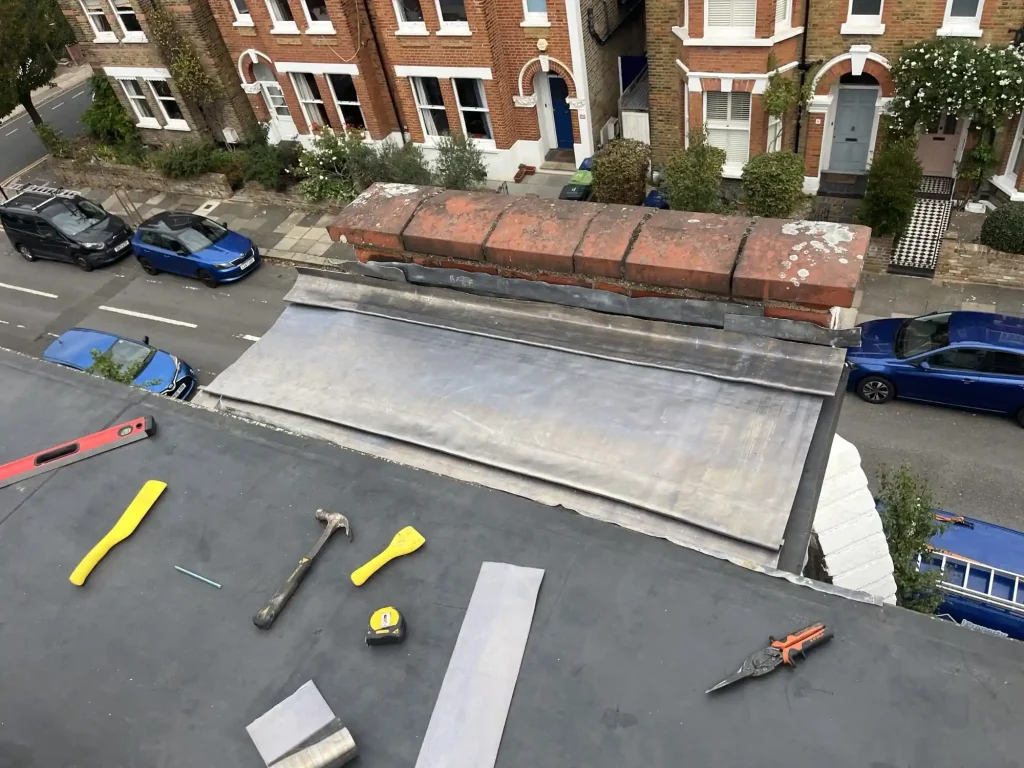
Flashing is the metal or lead material used to seal the joints where a flat roof meets a wall, parapet, chimney, or any roof penetration such as pipes and vents. It plays a critical role in keeping your waterproof roofing system intact.
When flashing lifts, cracks, or separates, it creates an open route for rainwater to enter the building. Flashing failure is a surprisingly common cause of flat roof leaks, and it’s often overlooked during routine checks.
Inspect the edges and any penetrations for signs of lifting, corrosion, or gaps. If you spot any of these issues, contact a flat roofing company promptly. Re-sealing or replacing damaged flashing is one of the more straightforward flat roof repairs but only if caught early.
7. Increasing Energy Bills
This one is easy to miss. A sudden or gradual increase in your heating bills can sometimes point to roofing problems rather than your boiler or windows. When a flat roof’s insulation becomes damaged or waterlogged, it loses its thermal efficiency and your building loses heat through the roof.
Roof membrane damage and water ingress can compromise insulation layers, forcing your heating system to work harder to maintain indoor temperatures. If you’ve ruled out other causes of rising energy costs, it’s worth having your roof inspected as part of your investigation.
This is particularly relevant for commercial flat roofing across larger buildings, where poor roof insulation can translate into significant running costs.

Why Ignoring Flat Roof Problems Can Be Expensive
Acting on the 7 warning signs your flat roof needs immediate attention early is nearly always far cheaper than waiting. Here’s what happens when flat roof problems are left unaddressed.
Structural Damage
Water that penetrates your roof will eventually reach the structural timbers or concrete deck beneath. Prolonged exposure causes rot, corrosion, and significant weakening of the building’s fabric. What starts as a minor repair can escalate into major structural remediation work.
Internal Property Damage
Water ingress damages ceilings, walls, flooring, electrics, and contents. For landlords and commercial property owners, this can mean expensive reinstatement work, liability issues, and disruption to tenants or business operations. Roof maintenance is far less costly than the knock-on damage that follows a serious leak.
Premature Roof Replacement Costs
A well-maintained flat roof can last 20 to 25 years or more. Neglect can cut that lifespan dramatically, forcing an early flat roof replacement that could run into thousands of pounds. Regular roof inspections and prompt flat roof repairs protect your investment.
Common Causes of Flat Roof Damage in South West London
Understanding why flat roofs fail helps you stay one step ahead.
Heavy Rainfall
South West London sees its fair share of sustained rainfall. Heavy rain tests roof drainage systems and can quickly expose any weaknesses in the membrane or flashing. Blocked outlets make the problem significantly worse.
Storm Damage
High winds can lift or displace roofing materials, dislodge flashing, and deposit debris that damages the surface. After any significant storm, a visual check of your flat roof is a sensible precaution.
Ageing Roofing Systems
All roofing materials have a finite lifespan. As your waterproof roofing system ages, it naturally becomes more brittle and vulnerable to cracking, blistering, and shrinkage. Older roofs need more frequent inspections.
Lack of Maintenance
The single biggest cause of avoidable flat roof damage is simply neglect. Without regular roof maintenance, small issues compound into expensive problems. A routine inspection twice a year can make a significant difference.
How Often Should a Flat Roof Be Inspected?
As a general rule, flat roofs should be inspected at least twice a year typically in spring and autumn. These inspections should also take place:
- After any severe storm or period of extreme weather
- If you notice any of the warning signs described in this article
- Before and after any building works that might affect the roof
- When purchasing a property with a flat roof
SW London Roofers recommends a professional survey every two to three years for older roofs, alongside your regular self-checks. Preventative maintenance consistently costs less than reactive repairs.
When to Call a Professional Flat Roofing Contractor
Some situations call for immediate professional attention rather than a DIY approach:
- Active water ingress inside the property
- Visible structural sagging or soft spots underfoot
- Large areas of membrane damage, blistering, or cracking
- Flashing that has completely separated
- Any signs of damage following a storm
In these cases, you may need emergency roof repairs to prevent the situation worsening. Flat roofing services in South West London from a qualified roofing contractor will ensure the problem is diagnosed correctly and repaired to a professional standard — not just patched temporarily.
Don’t attempt to walk on a damaged or sagging roof. Safety comes first, and an experienced roofer will have the right equipment to work safely and assess the full extent of any damage.
Preventative Maintenance Tips for Flat Roofs
Staying on top of maintenance is the most effective way to extend the life of your flat roof.
Regular Inspections
Walk around your property and visually inspect your flat roof from ground level or a safe vantage point every few months. Look for obvious changes to the surface, any debris build-up, or signs of water pooling after rain.
Keeping Drainage Systems Clear
Blocked gutters and roof drainage outlets are among the most preventable causes of flat roof damage. Clear them of leaves and debris regularly, particularly in autumn. Good drainage is essential to the longevity of any flat roof.
Prompt Repairs
Never put off flat roof repairs, however minor they appear. A small crack or lifted flashing repaired quickly is a fraction of the cost of dealing with the water damage it will eventually cause if ignored.
Professional Roof Surveys
Alongside your own checks, arrange a professional survey with flat roofing experts every two to three years. A trained eye will spot issues that aren’t obvious to the untrained observer particularly early-stage membrane deterioration or insulation problems.
Frequently Asked Questions
How long does a flat roof typically last in the UK?
The lifespan of a flat roof depends largely on the material used and the quality of installation and maintenance. A well-installed EPDM (rubber) roof can last 25 years or more. GRP (fibreglass) roofs typically last 20 to 25 years, while traditional felt roofs have a shorter lifespan of around 10 to 15 years. Regular roof inspections and prompt flat roof repairs are the most effective ways to maximise the life of any flat roofing system.
What causes ponding water on a flat roof?
Ponding water is usually caused by inadequate roof drainage, either due to blocked outlets or gutters, insufficient roof fall during installation, or structural deflection where the decking has begun to sag under load. It can also develop as a roof ages and the surface begins to distort. If ponding water isn’t resolved, it adds ongoing stress to the roof membrane and accelerates deterioration. A flat roofing company can assess the drainage and recommend the appropriate solution.
Can a small flat roof leak become a serious problem?
Yes — and this is one of the most important points for property owners to understand. Even a minor leak allows water to penetrate the roof structure, saturating insulation and weakening the decking beneath. Over time, this leads to widespread roof membrane damage, rot in timber substrates, and potentially significant internal damage to ceilings, walls, and electrics. A small leak that costs relatively little to fix today can become a major structural repair if left unattended for a season. Always take action early.
How often should flat roofs be inspected?
Flat roofs should be professionally inspected at least once a year, with most flat roof maintenance services recommending twice yearly — once in spring and once in autumn. You should also carry out a visual check after any significant storm. For older roofing systems or commercial flat roofing, more frequent inspections are advisable. In addition to professional surveys, property owners should carry out basic visual checks every few months to look for obvious signs of roof damage, blocked drainage, or surface deterioration.
What are the most important warning signs of flat roof failure?
The 7 warning signs your flat roof needs immediate attention are: ponding water that remains 48 hours after rainfall; visible roof cracks or splits in the membrane; interior water stains or active leaks; roof blistering or surface bubbling; sagging areas on the roof surface; damaged or lifted flashing around edges and penetrations; and unexplained increases in energy bills. Any one of these signs warrants a professional assessment. If you notice more than one occurring at the same time, contact experienced flat roof contractors as soon as possible to prevent the situation from escalating.
Final Thoughts
Flat roofs are durable and cost-effective when properly maintained but they do need attention. The 7 warning signs your flat roof needs immediate attention outlined in this guide are your early warning system. Act on them promptly and you’ll protect your property, your finances, and your peace of mind.
The message is simple: don’t wait until a small issue becomes a large, expensive problem. Arrange a professional roof inspection, stay on top of routine maintenance, and contact a qualified roofing contractor at the first sign of trouble.
If you’ve spotted any of the signs described above, or simply want the reassurance of a professional assessment, get in touch with SW London Roofers today. Our team provides expert flat roofing services in South West London for residential and commercial properties from minor repairs to full roof replacements. Contact us now to book your inspection and protect your property before minor issues become major costs.