
Your gutters do a quiet but critical job. Every time it rains, they channel thousands of litres of water away from your roof, walls, and foundations. But when they block up and they will that system breaks down fast. Understanding how blocked gutters can cause serious roof damage is the first step towards protecting your home. Left unaddressed, a blocked gutter can trigger a chain of problems that goes far beyond a soggy garden path, costing you thousands in repairs you simply didn’t budget for.
This guide covers everything you need to know: what causes blockages, how to spot the warning signs early, and what to do before minor gutter issues become major structural headaches.
How Blocked Gutters Can Cause Serious Roof Damage
Most people think of gutters as a minor feature of their home. In reality, they are a frontline defence for your entire roof drainage system.
When a gutter is clear, rainwater flows smoothly from the roof edge, into the gutter, down the downpipe, and away from the building. When a gutter blocks, that water has nowhere to go. It pools, overflows, backs up beneath the roof tiles, and saturates materials that were never designed to handle prolonged moisture exposure.
The damage doesn’t happen overnight. But over weeks and months, standing water in a blocked gutter steadily attacks the structures around and beneath it. Roof timbers begin to absorb moisture. Fascias soften and rot. Tiles shift. Water finds its way under the roof covering and into the roof space. By the time you notice a stain on the ceiling or a damp patch on the wall, the damage is already well established.
This is why early intervention matters so much. If you’re concerned about your guttering, speaking to a local gutter repair company sooner rather than later can save you significantly on repair costs.

What Causes Gutters to Become Blocked?
Gutters don’t block overnight. The build-up tends to be gradual, which is exactly why it’s easy to miss.
Fallen Leaves and Moss
Leaves are the most common culprit, especially in autumn. They gather in gutters and downpipes, forming a wet, compacted layer that water simply cannot flow through. Moss is a slower but equally damaging problem it grows on roof tiles and gradually detaches in chunks, washing into the gutter and binding with other debris to form a dense, sponge-like blockage that holds moisture against the gutter and fascia.
Properties surrounded by mature trees are at particular risk. Even a single large tree can shed enough foliage each year to cause repeated blockages if gutter maintenance isn’t kept up.
Bird Nests and Debris
Birds frequently nest in gutters, particularly in spring. A nest doesn’t just block the flow of water it can also damage the gutter itself by adding significant weight and retaining moisture long after the rain has stopped. Alongside nesting material, wind-blown debris such as twigs, seed pods, and general garden waste accumulates over time and contributes to ongoing blockages.
Poor Gutter Maintenance
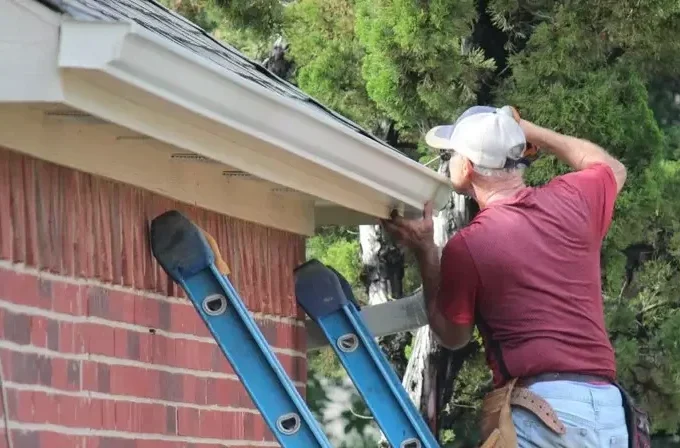
Perhaps the most straightforward cause is simply not cleaning gutters regularly enough. Many homeowners don’t inspect their gutters until something goes obviously wrong water pouring down the outside of a wall, for instance, or a visible sag in the gutter run. By that point, blockages may already have caused measurable damage. Routine gutter cleaning, carried out at least twice a year, is the most effective preventative measure available.
Common Signs Your Gutters Are Blocked
Knowing what to look for can help you act before the damage escalates.
Overflowing Water During Rain
The most visible sign. If water is cascading over the front lip of your gutter rather than flowing through it, there’s a blockage somewhere in the run or downpipe. Overflowing gutters direct water straight down the external wall, which causes damp penetration, staining, and over time erosion of mortar and brickwork.
Sagging Gutters
Debris, standing water, and plant matter are heavy. Gutters are designed to carry water, not weeks’ worth of accumulated muck and foliage. When the weight builds, the gutter brackets strain and the run begins to sag or pull away from the fascia. A sagging gutter is a gutter that’s no longer draining correctly and one that may need damaged gutter repairs before it detaches entirely.
Damp Patches on External Walls
Water that cannot flow away through the gutter has to go somewhere. It typically runs down the outside of the wall, soaking into the brickwork. Over time, this causes visible damp patches, efflorescence (a chalky white residue), and paint or render damage. On older properties, it can accelerate the deterioration of lime mortar, leading to larger-scale repointing work.
Water Stains in the Loft
If you notice brown staining on roof timbers or the underside of the roof felt, water is getting in somewhere. Blocked gutters are a common reason for this. Water backing up at the roof edge can seep beneath the lowest course of tiles, soaking the felt and timbers below. Catching this early is vital if you notice it, arrange a roof inspection and check your gutters at the same time.
Roof Problems Caused by Blocked Gutters
Water Penetration Beneath Roof Tiles
When a gutter overflows or backs up, water can creep beneath the lowest row of roof tiles. Modern roofs have an underlay beneath the tiles for precisely this reason, but it is not infallible. Prolonged exposure weakens underlay over time, and once that barrier is compromised, water enters the roof structure directly. Emergency roof repairs often trace back to guttering problems that were overlooked for too long.
Timber Rot and Structural Damage
The roof structure is largely timber rafters, joists, battens. Prolonged moisture exposure causes timber rot, which weakens the structural integrity of the roof. In serious cases, rotted timbers need to be cut out and replaced as part of major roof repairs. This is significantly more expensive than clearing a blocked gutter ever was.
Damp and Mould Growth
Moisture in the roof space creates the perfect environment for damp and mould. Mould spreads quickly through organic materials and can affect insulation, plasterboard, and the internal walls of the rooms below. Beyond the property damage, mould poses a health risk particularly for children, elderly residents, and anyone with respiratory conditions.
Damage to Fascias and Soffits
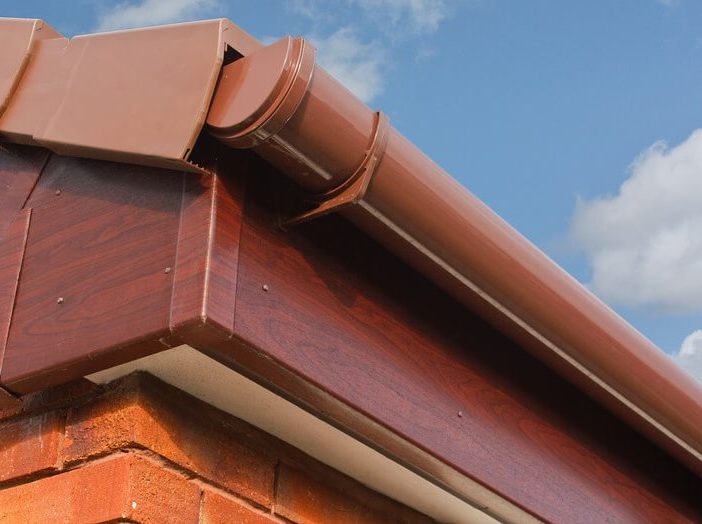
The fascia board runs along the roof edge and holds the gutter in place. The soffit sits beneath it, closing off the roof overhang. Both are in constant contact with any water that overflows from a blocked gutter. Fascia and soffit damage is extremely common when gutters are neglected the timber softens, rots, and eventually fails. Replacing fascias and soffits is a preventable cost that gutter repairs in South West London can help you avoid.
Foundation and Brickwork Issues
When overflowing gutters direct water to the base of the building repeatedly, it saturates the ground around the foundations. In clay-heavy soils common across much of South West London this can cause localised ground movement. Persistent water run-down the walls also erodes mortar joints, requiring costly repointing and, in worst cases, contributing to damp ingress at ground floor level.
Why South West London Homes Are Vulnerable
South West London receives a significant amount of annual rainfall, and the region’s wet winters mean gutters face sustained pressure for months at a time. The area also has an abundance of mature trees oaks, limes, and plane trees line many residential streets which shed leaves, seeds, and debris directly onto roofs and into guttering throughout autumn and into winter.
The housing stock here adds another layer of risk. Many properties in South West London were built in the Victorian and Edwardian eras, with original or older gutter systems that are more prone to sagging, cracking, and joint failure. Cast iron gutters still present on many period properties are durable but require regular inspection and maintenance to remain functional.
For all of these reasons, property maintenance and proactive gutter repairs in South West London are not optional extras they’re an essential part of looking after your home.

The Cost of Ignoring Gutter Problems
A professional gutter clean typically costs between £80 and £150 for an average terraced or semi-detached home. A gutter repair fixing a cracked section, resealing a joint, or replacing a broken bracket might run to £150–£300.
Compare that to what roof repairs cost once water damage has set in:
- Fascia and soffit replacement: £500–£1,500+
- Roof tile repairs or replacement: £300–£1,000+
- Roof timber repairs (rot damage): £1,000–£5,000+
- Internal damp remediation: £500–£3,000+
- Emergency roof repairs: Often £500–£2,000 for call-out and temporary fix alone
The arithmetic is straightforward. Spending a modest amount on routine gutter maintenance each year protects you from repair bills that can be ten or twenty times higher. The risk of ignoring guttering problems is real, and it compounds the longer action is delayed.
Preventing Roof Damage Through Regular Gutter Maintenance
Routine Inspections
Inspect your gutters at least twice a year ideally in late spring after nesting season and in late autumn after the leaves have fallen. You don’t need to get on a ladder yourself; a visual check from ground level with binoculars, or asking a roofing contractor to include gutters in an annual inspection, is sufficient. Look for visible sagging, plant growth, blockages at downpipe entries, and any signs of water staining on the walls beneath.
Seasonal Gutter Cleaning
Clear gutters in November or December once most leaves have fallen, and again in April or May after spring debris has settled. If your property is surrounded by trees, you may need to clean three times a year. Ensure downpipes are flushed through as part of any clean a clear gutter run with a blocked downpipe still cannot drain effectively.
Professional Gutter Repairs
Cleaning reveals damage. When a professional clears your gutters, they’re also in a position to spot cracked sections, failing joints, loose brackets, and early signs of fascia deterioration. Using professional gutter repair services means small issues are fixed before they become costly structural problems.
Early Detection of Roofing Issues
Guttering and roofing are connected systems. A roofing contractor who inspects your gutters regularly is also well-placed to spot lifting tiles, cracked ridge caps, failing lead flashing, or early signs of moss build-up on the roof surface. Catching these issues early through routine property maintenance is always cheaper than responding to an emergency.
When to Call a Professional Roofing Company
Some gutter work is within reach of a confident DIYer with a ladder and a pair of gloves. But there are clear situations where professional help is the right call:
- Persistent leaking from gutters that have already been cleared
- Sagging or detached sections of guttering
- Water staining or damp patches appearing internally
- Visible damage to fascias or soffits
- Properties above single-storey height working at height carries real risk
- Period properties with cast iron guttering, which requires specific handling
SW London Roofers work with homeowners, landlords, and property managers across South West London, handling everything from routine gutter maintenance to full gutter replacement and associated roof repairs. If you’re unsure whether a problem is minor or serious, an inspection is always the sensible first step.
Frequently Asked Questions
Can blocked gutters really damage a roof?
Yes and the damage can be substantial. When gutters block, water backs up and overflows rather than draining away cleanly. That overflow saturates the fascia and soffit boards, creeps beneath the lowest course of roof tiles, and saturates the roof timbers beneath. Over time, this leads to timber rot, failed underlay, lifting tiles, and internal damp. It’s a direct and well-documented cause of roof deterioration. Understanding how blocked gutters can cause serious roof damage helps explain why gutter maintenance is treated as a roofing issue, not just a cosmetic one.
How often should gutters be cleaned in the UK?
For most UK properties, twice a year is the standard recommendation once in late autumn after leaf fall, and again in spring. If your home is surrounded by mature trees, or if you have roof moss that sheds regularly, you may need three cleans per year. Properties in South West London, with its combination of rainfall, tree cover, and older housing, benefit from sticking to this schedule reliably rather than cleaning reactively.
What are the warning signs of gutter problems?
The most common signs include water overflowing from the gutters during or after rain, visible sagging or pulling away from the fascia, damp patches on external walls, water staining on internal walls or ceilings, plant growth in the gutter, and staining or damage at the base of downpipes. Any of these warrant a closer inspection. Catching guttering problems early dramatically reduces the scale and cost of any repairs needed.
Can blocked gutters cause damp inside a property?
Absolutely. This is one of the more serious consequences of neglected guttering. When water overflows persistently down an external wall, it penetrates the masonry and causes internal damp typically showing as patches on internal walls, peeling paint or wallpaper, and a musty smell. Damp and mould in the roof space, caused by water backing up under the tiles, can spread downward into the rooms below. Both situations are unpleasant to live with, costly to remediate, and entirely preventable with regular gutter cleaning and maintenance.
Should I repair or replace damaged gutters?
It depends on the extent and age of the damage. A cracked section, a failed joint, or a loose bracket can usually be repaired cost-effectively. However, if your gutters are old, brittle, and showing widespread deterioration or if they’re the original cast iron gutters on an older property full replacement may be more economical in the long run. A professional assessment from guttering specialists will give you a clear picture of what’s needed without unnecessary upselling. The right solution depends on your specific gutters, your property, and your budget.
Final Thoughts
Blocked gutters are one of the most preventable causes of property damage in the UK. They don’t announce themselves dramatically they work quietly and persistently, directing water into places it was never meant to reach. The resulting roof damage, timber rot, damp, and fascia deterioration are expensive and disruptive to fix, but they are almost entirely avoidable with consistent gutter maintenance.
Understanding how blocked gutters can cause serious roof damage isn’t just useful knowledge it’s the kind of awareness that saves homeowners real money and protects the long-term value of their property. Don’t wait for a damp patch or a sagging run to spur you into action.
If your gutters haven’t been inspected or cleaned recently, now is the time to act. Get in touch with our gutter repair specialists at SW London Roofers for a professional assessment and reliable, affordable gutter repairs across South West London.