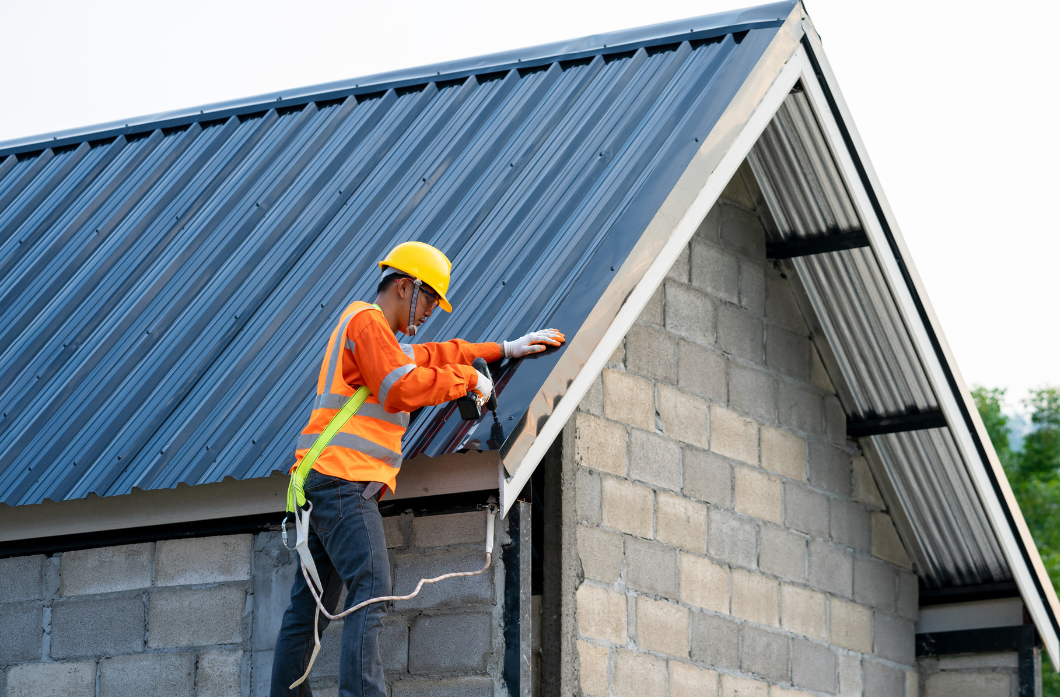
Why Pitched Roofs Remain the Preferred Choice for UK Homes is a question worth exploring if you’re a homeowner thinking about a new roof or a full replacement. The UK’s climate is notoriously unforgiving persistent rain, biting winds, and the constant threat of damp make your choice of roof far more important than it might seem. Pitched roofs have been the go-to solution for British homes for centuries, and with good reason. If you’re based in the capital and considering your options, our pitched roofing services in South West London are designed to give your home the protection it genuinely needs.
This guide walks you through everything you need to know from weather performance and drainage to materials, energy savings, and why getting the installation right matters more than anything else.
What Makes Pitched Roofs Ideal for UK Weather
Britain’s weather puts roofs through their paces. Heavy rainfall, strong gusts, and extended periods of cold and damp are the norm rather than the exception and a pitched roof is built to handle all of it.
The sloped design naturally sheds rainwater away from the structure, reducing the risk of water ingress and pooling. Unlike flat roofs, which rely heavily on drainage systems to manage standing water, a pitched roof does much of that work by gravity alone.
Wind resistance is another significant advantage. The angled profile allows wind to travel over the roof rather than pushing directly against a flat surface. This reduces structural stress and helps maintain the integrity of your roof over many years.
In short, when it comes to UK conditions, pitched roofs are not just a stylistic preference they’re a practical, climate-appropriate solution.
Durability and Long Lifespan of Pitched Roofs
One of the strongest arguments for choosing a pitched roof is how long it lasts. A well-built pitched roof using quality materials can last anywhere from 50 to 100 years with proper care. That’s significantly longer than most flat roof systems, which typically need replacing or major repair within 20 to 30 years.
The key to that lifespan lies in the structural integrity of the design. Pitched roofs distribute load evenly across the frame, making them less susceptible to sagging, cracking, or failure under heavy rainfall or snow accumulation.
Of course, longevity is only possible with proper installation. That’s why homeowners across South West London trust our professional pitched roof installation to get it right from the start.
Regular roof inspections can also extend the life of your roof by catching minor issues a loose tile, a cracked ridge, or early signs of wear around the flashings before they become costly repairs.
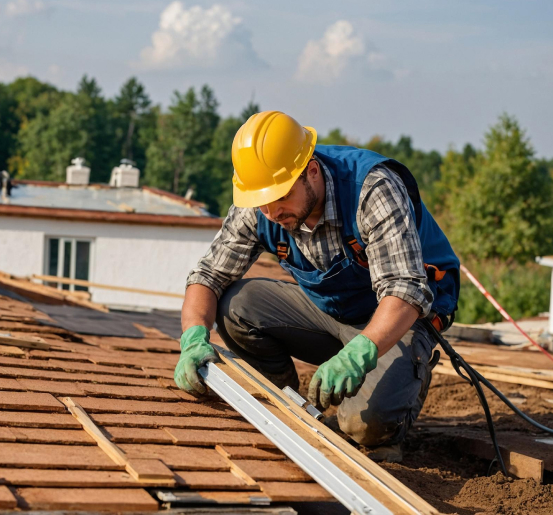
Superior Water Drainage and Leak Protection
Water is the number one enemy of any home in the UK, and your roof is the first line of defence. Pitched roofs excel at moving water away from your property quickly and efficiently.
The slope ensures that rainwater runs off the surface and into the guttering before it has any chance to sit and seep. Guttering that’s properly maintained completes this drainage system and protects your walls and foundations from damp damage.
Water ingress is one of the most common issues we’re called out to fix in South West London. In many cases, it traces back to either a failed flat roof section or a pitched roof where tiles have slipped or flashings have deteriorated. Catching this early with a routine roof inspection saves homeowners a significant amount of money and stress.
A pitched roof in good condition, however, creates far fewer opportunities for water to find a way in. The overlapping nature of roof tiles or slates means multiple layers of protection between your home and the elements.
Energy Efficiency and Insulation Benefits
A pitched roof doesn’t just protect your home from the weather it also creates a loft space that plays a huge role in your home’s energy performance.
That void between the roof and your ceiling is an insulation opportunity. Properly insulated loft space acts as a thermal buffer, keeping heat in during winter and reducing the amount your boiler needs to work. Over time, this translates into lower energy bills and a more comfortable home throughout the year.
Why Pitched Roofs Remain the Preferred Choice for UK Homes becomes even clearer when you factor in the energy savings over decades of use. Flat roofs offer limited scope for this kind of insulation without significant additional work, whereas pitched roofs naturally create the space needed.
Many homeowners also use their loft space for storage or even conversion, adding genuine functional value to the property beyond just roof performance.
Aesthetic Appeal and Property Value
There’s no denying that pitched roofs are deeply embedded in the character of British architecture. From Victorian terraces to modern new builds, the pitched roof defines the visual identity of most homes in the UK and South West London is no exception.
A well-maintained or newly installed pitched roof significantly enhances kerb appeal. Whether you’re planning to sell or simply want your home to look its best, a quality roof makes a real difference to how your property is perceived.
Estate agents consistently note that roof condition is one of the first things buyers scrutinise during viewings and surveys. A roof that looks tired, has visible missing tiles, or shows signs of weathering will dampen interest and reduce offers.
Investing in expert pitched roofing contractors ensures your roof not only performs well but also contributes to the overall value of your property.
Low Maintenance Advantages
Compared to flat roofs, pitched roofs are considerably easier and cheaper to maintain over time. The design itself reduces the accumulation of debris, moss, and standing water all of which contribute to faster deterioration on flat surfaces.
That said, pitched roofs are not entirely maintenance-free. An annual roof inspection is the single most effective thing a homeowner can do to stay on top of potential problems. Checking the condition of tiles, ridge work, lead flashings, and guttering takes very little time but can prevent serious water damage down the line.
Moss growth can build up on north-facing pitches, and while it’s rarely an immediate structural concern, it does hold moisture against the tiles and can accelerate wear. A roofing contractor can treat and remove it safely without causing damage.
In addition, guttering should be cleared at least once a year particularly after autumn to prevent blockages that cause water to back up and spill over, potentially leading to damp on exterior walls.
Common Materials Used in Pitched Roofing
The material you choose for your pitched roof affects its appearance, performance, and lifespan. Here’s a brief overview of the most common options used across UK homes:
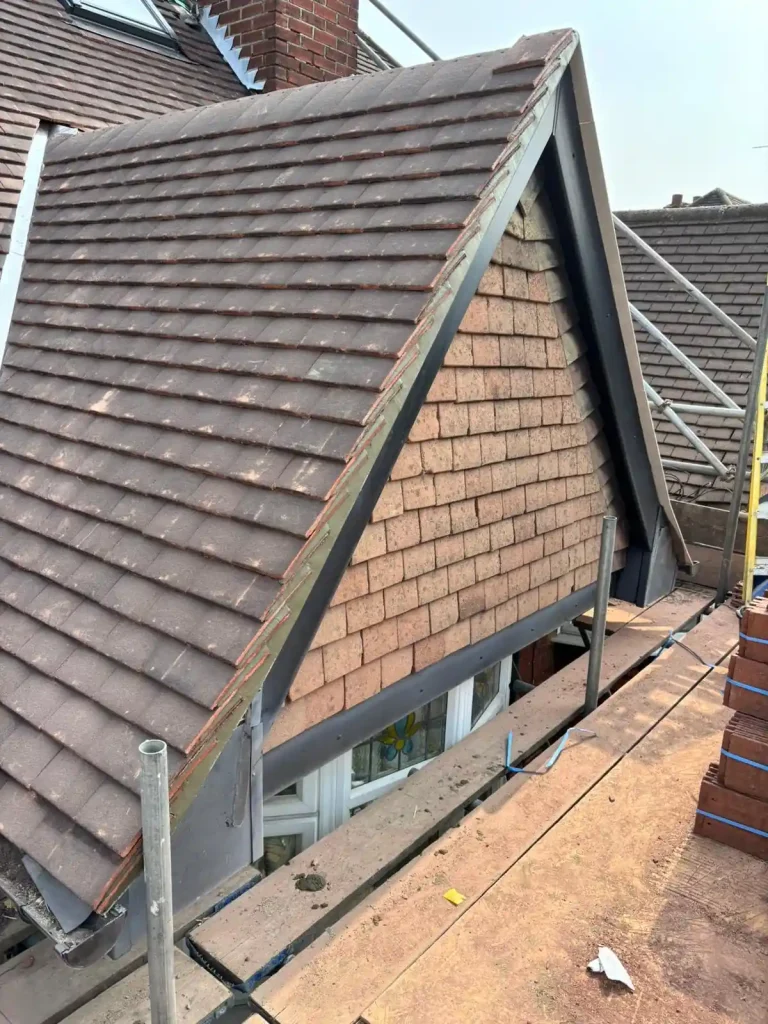
- Clay roof tiles: Traditional, long-lasting, and widely used across London. They offer excellent weather resistance and age beautifully.
- Concrete tiles: A more affordable alternative to clay, with good durability and a wide range of colour options.
- Natural slate: Premium-quality material with lifespans of 100 years or more. Popular on period properties and increasingly used on modern homes for its sleek, natural appearance.
- Artificial slate: A cost-effective alternative that replicates the look of natural slate with less weight and lower cost.
- Interlocking tiles: Designed to lock together for a tighter seal, these are particularly effective in high-rainfall areas.
Choosing the right material depends on your budget, property style, and local planning requirements. Our trusted roof replacement specialists can advise on the best option for your specific home.
Why Professional Installation Matters
No matter how good the materials are, a pitched roof is only as reliable as the installation behind it. Poor workmanship inadequate felt underlays, badly fixed tiles, improper flashing around chimneys and skylights creates vulnerabilities that will show up sooner or later, usually during heavy rain or high winds.
Why Pitched Roofs Remain the Preferred Choice for UK Homes comes down not just to the design but to the quality of the build. An experienced roofing contractor understands how each component works together: the batten spacing, the overlap of tiles, the sealing around penetrations, the integration with guttering.
In South West London, planning considerations and property types vary considerably from Victorian conversions to new-build estates. Our pitched roof installation services London team has the experience to work across all property types while meeting local building regulations and conservation requirements.
A professionally installed pitched roof gives you peace of mind that your home is protected for decades to come.
Frequently Asked Questions
Why are pitched roofs so popular in the UK?
Pitched roofs suit the UK’s wet, windy climate perfectly. Their sloped design sheds rain efficiently, resists wind pressure, and prevents the kind of water pooling that causes damp and structural damage. They’ve been used in British construction for centuries for exactly these reasons.
How long does a pitched roof last?
A well-installed pitched roof using quality materials such as natural slate or clay tiles can last between 50 and 100 years. Regular roof inspections and timely maintenance clearing guttering, replacing cracked tiles, and checking flashings will help you get the most out of its lifespan.
Are pitched roofs better than flat roofs?
For most UK homes, yes. Pitched roofs offer better drainage, a longer lifespan, greater insulation potential through loft space, and lower long-term maintenance costs. Flat roofs can be appropriate in certain situations, but they require more frequent maintenance and are more vulnerable to water ingress over time.
What maintenance does a pitched roof need?
An annual roof inspection is the most important step. Beyond that, keep guttering clear of debris, monitor for moss growth on north-facing sections, and check the condition of ridge tiles and lead flashings around chimneys. Addressing small issues early prevents them from becoming expensive roof repairs later.
Conclusion
Why Pitched Roofs Remain the Preferred Choice for UK Homes is ultimately a straightforward answer: they work exceptionally well in our climate, they last decades, and they add genuine value to your property. From superior water drainage and weather resistance to energy efficiency and kerb appeal, pitched roofs deliver on every front.
If your roof is ageing, showing signs of damage, or simply due for a proper inspection, now is the right time to act. SW London Roofers are your local specialists, covering everything from minor roof repair to full roof replacement across South West London.
Get in touch today and let our team give your home the protection it deserves. Visit our pitched roofing services in South West London page to find out more or request a free quote.