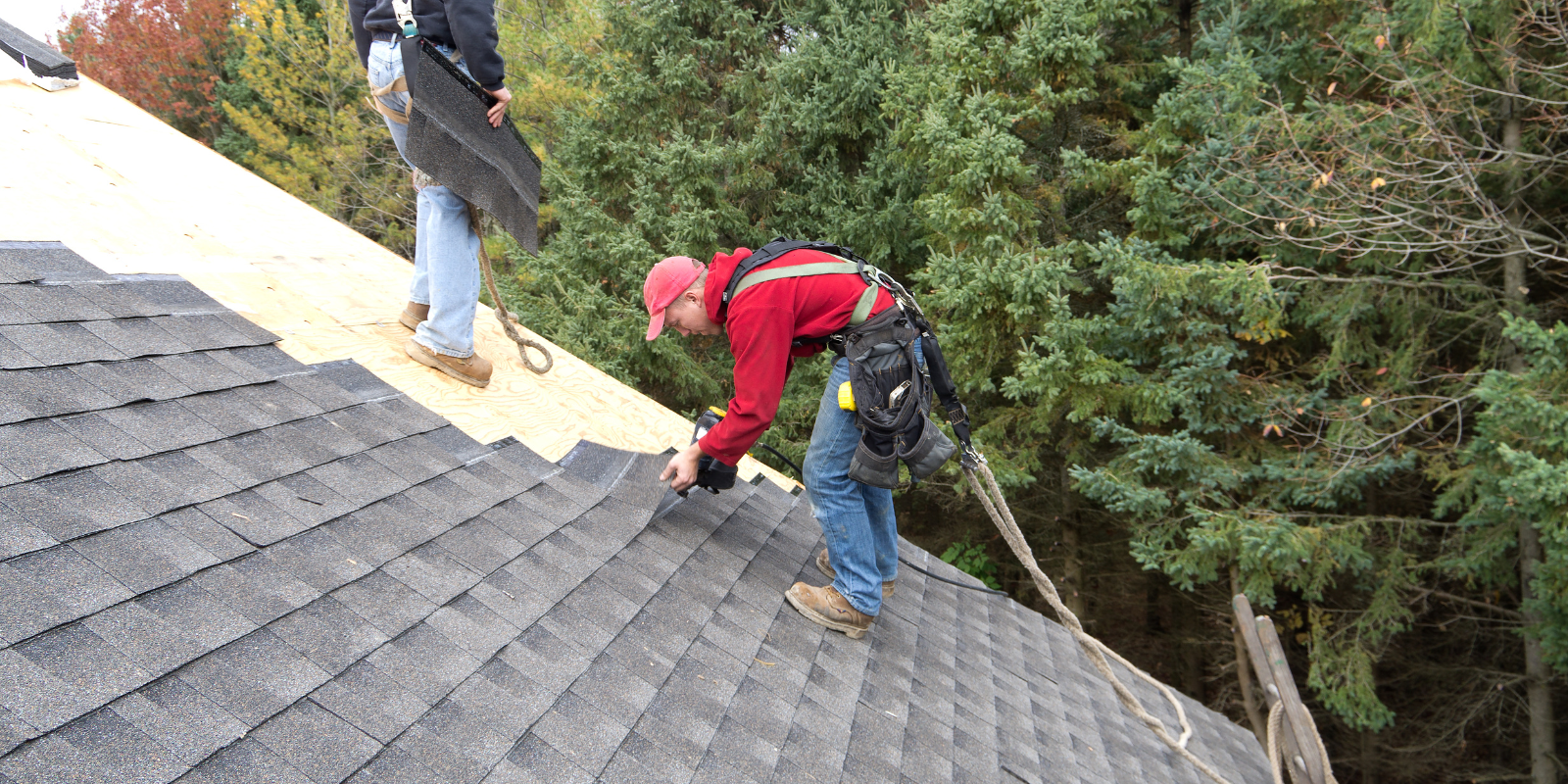
Your roof takes a daily beating from the elements, yet it’s one of the most overlooked parts of any property. Most homeowners only think about their roof when something goes wrong a leak appears, tiles fall loose, or a damp patch spreads across the ceiling. The truth is, how regular roof repairs can extend the life of your roof is a question every property owner should be asking long before problems become serious. Routine maintenance isn’t just about fixing what’s broken; it’s about protecting a major investment and avoiding the kind of structural damage that costs thousands to put right.
Whether you own a Victorian terrace in Wimbledon, a modern flat in Battersea, or a commercial property in Croydon, the same principle applies: small problems left untreated grow into big, expensive ones. At SW London Roofers, we help homeowners, landlords, and property managers across South West London take a proactive approach to roof care saving time, money, and stress in the long run.
How Regular Roof Repairs Can Extend the Life of Your Roof
A well-maintained roof can last significantly longer than one that’s been neglected. Most pitched roofs in the UK are designed to last between 20 and 50 years, depending on the materials used, but that lifespan is only achievable with consistent care. When minor issues like cracked tiles, deteriorating mortar, or early-stage flashing failures are addressed promptly, you prevent the kind of cumulative damage that shortens a roof’s working life considerably.
Think of it like servicing a car. You wouldn’t skip oil changes and expect the engine to last. The same logic applies to your roof. Professional roof repairs carried out on a routine basis protect the materials, the structure beneath them, and everything inside your home. Every small repair completed on time is a step towards maximising your roof’s lifespan and reducing the risk of a full replacement far sooner than necessary.
Why Roof Repairs Are Essential for Long-Term Roof Health
Preventing Small Issues from Becoming Major Problems
A single loose tile or a small gap in the pointing around your chimney might seem trivial. Left alone, however, rainwater can penetrate the roof deck, saturate insulation, and begin to rot the timber beneath. What started as a £150 repair can quickly become a £3,000+ structural job. Our roof maintenance experts are trained to spot early warning signs before they escalate, keeping your repair costs manageable and your roof in reliable condition.
Protecting Roof Structure and Materials
The materials that make up your roof tiles, felt, battens, rafters, and flashing are all interdependent. When one component fails, it places greater stress on the others. Water ingress caused by damaged roof tiles, for instance, can lead to timber decay, weakened roof trusses, and eventually ceiling collapse if ignored long enough. Regular roof inspection and timely repairs protect the entire system, not just the surface.
Improving Weather Resistance
A roof in good condition is far better equipped to handle the UK’s unpredictable weather. Cracked mortar, degraded flashing, and misaligned tiles all create entry points for wind-driven rain. By keeping these vulnerabilities in check through preventative roof care, you reduce the risk of emergency roof repairs following storms or periods of heavy rainfall.
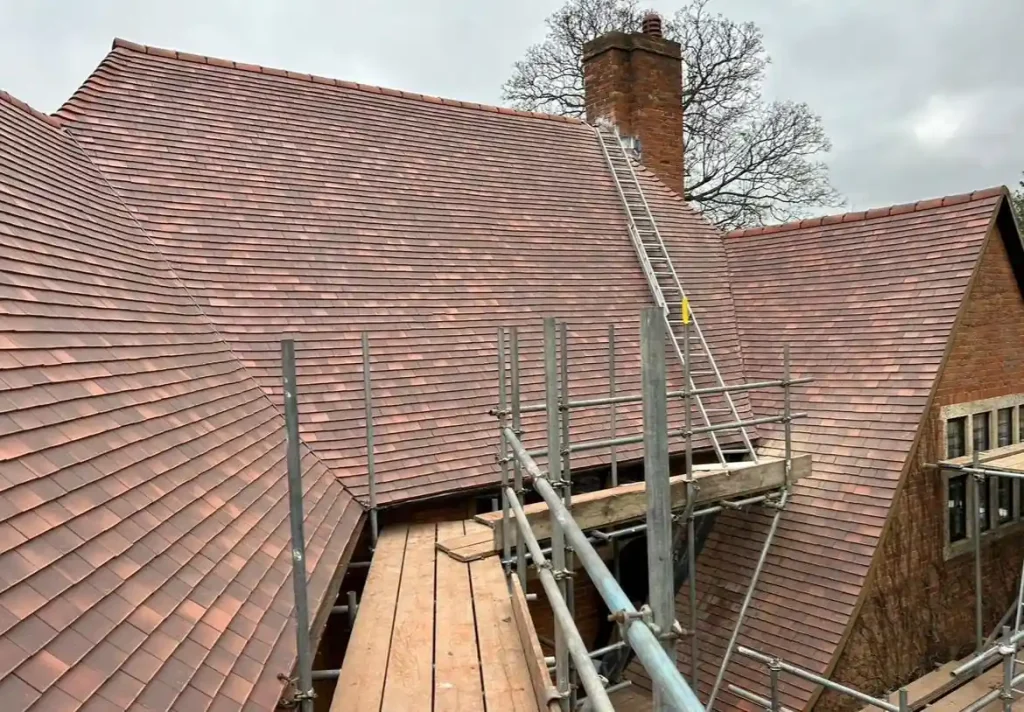
Common Roofing Issues That Need Regular Repairs
Broken or Missing Tiles
Damaged roof tiles are among the most common issues we deal with across South West London. Tiles crack or slip due to age, storm impact, or poor original installation. Even a single missing tile can allow water to enter the roof structure. The fix is usually straightforward and affordable when caught early but left untreated, the knock-on damage can be extensive.
Damaged Flashing
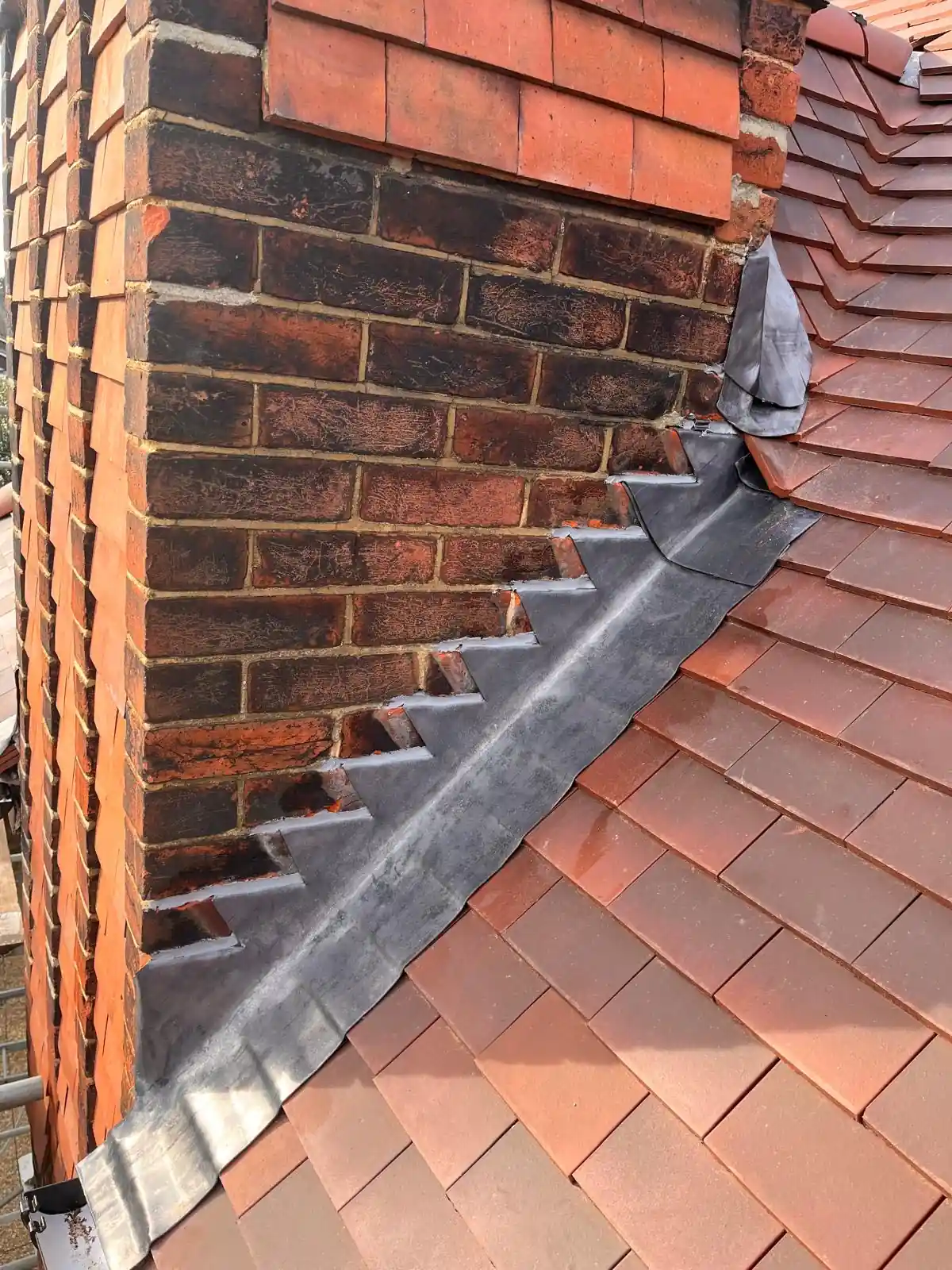
Flashing is the metal (typically lead or aluminium) used to seal the joints between your roof and features like chimneys, skylights, and soil pipes. It’s a common weak point. Flashing repairs are one of the most frequent jobs our roofing specialists carry out, and for good reason deteriorating flashing is one of the leading causes of roof leaks in UK properties.
Roof Leaks and Water Ingress
Roof leak prevention is far more cost-effective than dealing with water damage after the fact. Leaks don’t always announce themselves with dramatic drips. Often, moisture seeps slowly into the roof structure over months before visible signs appear indoors. A professional roof inspection will identify areas of concern before they become active leaks, protecting your ceilings, walls, and insulation.
Blocked or Damaged Gutters
Gutter maintenance is closely tied to overall roof health. Blocked gutters cause water to overflow and back up under the roof edge, leading to damp, rot, and damage to fascias and soffits. Clear, free-flowing gutters help direct rainwater away from the building effectively, reducing the risk of water ingress at the roof perimeter.
General Wear and Tear
Even without storms or obvious impacts, roofs deteriorate over time. UV exposure degrades surface coatings and sealants, freeze-thaw cycles crack mortar, and moss or lichen growth lifts tiles and holds moisture against the roof surface. Addressing this general wear and tear through regular maintenance is essential for sustaining long-term roof health.
How Roof Maintenance Extends Roof Lifespan
Early Detection of Problems
Routine roof inspections are the cornerstone of preventative roof care. Having a qualified local roofing contractor assess your roof once or twice a year means that developing issues are caught before they cause significant damage. Early detection is by far the most effective tool available to any property owner.
Reduced Structural Damage
Every time water penetrates your roof unchecked, it risks damaging the structural elements beneath the timber, the insulation, and in severe cases, the ceiling and walls below. Regular maintenance limits the pathways through which water can enter, keeping the structure intact and reducing the likelihood of costly remedial work.
Improved Energy Efficiency
A compromised roof doesn’t just let in water it lets out heat. Gaps, damaged insulation, and saturated materials all reduce the thermal efficiency of your home. A well-maintained roof keeps your building properly insulated, helping to lower energy bills and improve overall comfort throughout the year.
Lower Long-Term Costs
The financial case for regular maintenance is straightforward. Consistent, small-scale roof repair and maintenance services cost considerably less over time than emergency call-outs and large-scale restoration work. Proactive property maintenance is always more economical than reactive damage control.
The Cost of Ignoring Roof Repairs
It’s tempting to put off roof work, particularly when the issue isn’t immediately visible or causing obvious disruption. But the financial consequences of neglect are significant.
A basic tile repair or repointing job might cost between £150 and £500. Ignore it for a couple of years, and you could be looking at timber replacement, new roof felt, and full re-tiling potentially running to £5,000–£15,000 or more depending on roof size and extent of damage. In the most severe cases, complete roof replacement costs can exceed £10,000–£20,000 for an average-sized home in South West London.
Roof restoration is possible in many situations where full replacement isn’t yet necessary, but only if action is taken before structural integrity is too deeply compromised. The window for affordable intervention closes quickly once water damage takes hold. Our expert roof repair solutions are designed to keep your costs down by addressing problems at the earliest possible stage.
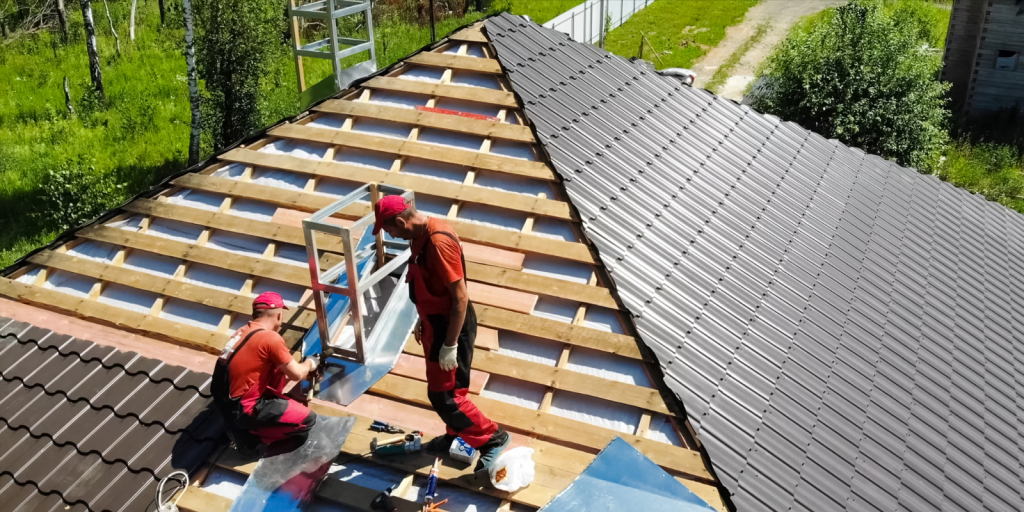
Why South West London Homes Need Regular Roof Care
South West London roofing presents some particular challenges that make regular maintenance especially important. The region is home to a large proportion of Victorian and Edwardian properties, many of which have original or ageing roof structures that are more susceptible to damage. These older homes often feature clay or slate tiles, lime mortar pointing, and lead flashing all materials that require more frequent attention than modern alternatives.
Weather conditions in this part of London also play a significant role. South West London sees substantial seasonal rainfall, with autumn and winter months bringing prolonged wet spells and the occasional storm. These conditions accelerate the deterioration of vulnerable areas, particularly around chimneys, valleys, and flat roof sections. Storm exposure can dislodge tiles, strip pointing, and stress flashing joints all issues that benefit from prompt, professional attention.
For landlords and property managers with portfolios in the area, staying on top of roof health across multiple properties is both a legal obligation and a practical necessity. SW London Roofers works with property professionals across the region to deliver scheduled maintenance and inspection programmes tailored to their needs.
How Often Should Roof Repairs and Inspections Be Done?
As a general guide, most roofing professionals recommend a formal roof inspection at least once a year, ideally in autumn before the harshest weather arrives. A second check in spring allows you to assess any damage caused over winter.
Recommended schedule:
- Annually (autumn): Full roof inspection covering tiles, flashing, pointing, gutters, and flat roof sections
- Annually (spring): Post-winter check to identify storm damage and water ingress
- After any significant storm: A prompt visual check and professional assessment if damage is suspected
- Every 3–5 years: More thorough survey for older properties, including an internal inspection of the loft space for signs of moisture or rot
Landlords should also consider conducting roof inspections between tenancies and after any prolonged vacancy, as issues can develop quickly in unoccupied buildings where heating is reduced and ventilation is poor.
Professional Roof Repair vs DIY Repairs
It’s understandable that some homeowners consider tackling minor roof issues themselves. However, working at height carries serious safety risks, and even experienced DIYers can misdiagnose roofing problems or make repairs that inadvertently cause further damage.
Walking on a roof without the right equipment and knowledge can crack tiles, compress insulation, or damage the roof felt beneath. Incorrectly applied sealants and fillers may hold temporarily but fail under UV or freeze-thaw stress, leaving the underlying problem unresolved.
A qualified trusted roofing company brings the right tools, materials, and expertise to every job. Our team is fully insured, trained in working at height, and experienced across all roof types common in South West London. We also provide a documented record of work carried out something that can be valuable for insurance purposes and property sales.
When to Call a Roofing Contractor
Don’t wait until a full-blown leak appears to seek professional help. There are several clear signs that it’s time to contact a local roofing contractor:
- Visible missing or cracked tiles on any part of the roof
- Damp patches or staining on internal ceilings or walls, particularly after rainfall
- Sagging or uneven roofline suggesting structural issues beneath
- Persistent moss or lichen growth that is lifting tiles or blocking drainage
- Water pooling on flat roof sections after rain
- Gutters overflowing consistently despite appearing unblocked
- Daylight visible in the loft through gaps in the roof covering
- Higher energy bills without an obvious explanation, which can suggest heat loss through a compromised roof
Any of these signs warrants a professional inspection. Acting quickly can mean the difference between an affordable repair and a major restoration project.
Frequently Asked Questions
How often should roof repairs be carried out?
Most roofing professionals recommend a professional inspection and any necessary repairs at least once a year, with a second check in spring after the winter months. Properties in South West London particularly older Victorian or Edwardian homes may benefit from more frequent attention due to the age of the materials and seasonal weather exposure. Repairs should also be carried out promptly following any storm or severe weather event, regardless of the time of year.
Can small roof repairs really extend roof life?
Absolutely. Addressing minor issues such as a cracked tile, small gap in the pointing, or early flashing deterioration prevents water from entering the roof structure. Once moisture gets in, it causes progressive damage to timber, insulation, and internal surfaces — all of which accelerates a roof’s decline. Timely, small-scale interventions are the most effective way to maximise roof lifespan and delay the need for costly roof replacement.
What are the most common roof maintenance issues?
The most frequent issues encountered during routine maintenance include damaged or missing tiles, deteriorating mortar and pointing, failed or cracked flashing around chimneys and skylights, blocked or leaking gutters, and moss or lichen growth. Flat roof sections are also prone to pooling water and membrane degradation. All of these are manageable when caught early through regular inspection and preventative roof care.
Is it expensive to maintain a roof regularly?
Regular maintenance is considerably more affordable than the alternative. Annual inspections and minor repairs typically cost a few hundred pounds, depending on the scope of work. Compare this with roof restoration or replacement costs, which can run into the thousands, and the value of routine upkeep becomes clear. Consistent maintenance is one of the most cost-effective forms of property maintenance available to homeowners and landlords.
What happens if roof repairs are ignored?
Neglecting roof repairs allows small, manageable problems to develop into serious structural issues. How regular roof repairs can extend the life of your roof becomes very apparent when you consider the consequences of inaction: water ingress leads to timber rot, compromised insulation, damp walls, and ultimately significant damage to the interior of your property. In the worst cases, structural elements may need replacing, and a full roof replacement becomes unavoidable at a cost far exceeding what consistent maintenance would have required over the same period.
Final Thoughts
Your roof is one of the hardest-working parts of your property, and it deserves consistent attention. Understanding how regular roof repairs can extend the life of your roof is the first step towards a smarter, more cost-effective approach to property maintenance. By investing in routine inspections and prompt repairs, you protect your home’s structure, improve energy performance, and avoid the very significant costs associated with major roof damage or premature roof replacement.
The benefits are clear: longer roof lifespan, reduced repair bills over time, better weather resistance, and greater peace of mind throughout the year. Whether you manage a single home or a portfolio of properties across South West London, proactive roof care is always the better financial decision.
Ready to protect your roof before problems take hold? Contact the team at SW London Roofers for a professional roof inspection and expert advice tailored to your property. Our experienced roofing specialists are on hand to keep your roof in the best possible condition all year round.