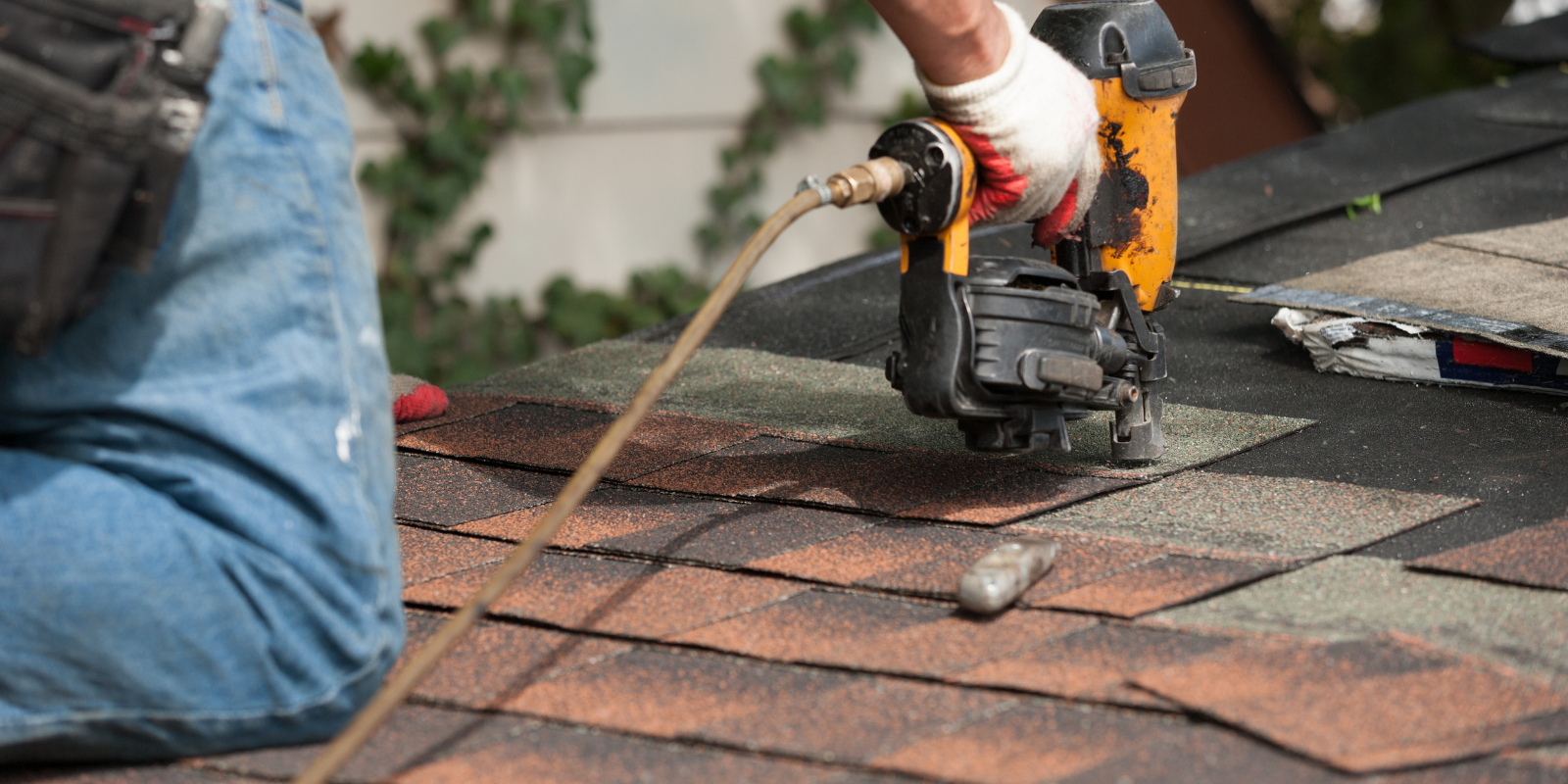
A flat roof can be a practical and attractive solution for extensions, garages, loft areas, commercial premises and modern homes. However, successful installation depends on careful planning, suitable materials, effective drainage and professional workmanship. For property owners considering a Flat Roof Install in Barnes, choosing an experienced roofing team can help ensure the finished roof is secure, weather-resistant and built to last.
At South West London Roofers, we provide professional roofing services across South West London, helping homeowners and businesses select appropriate roofing solutions for their properties.
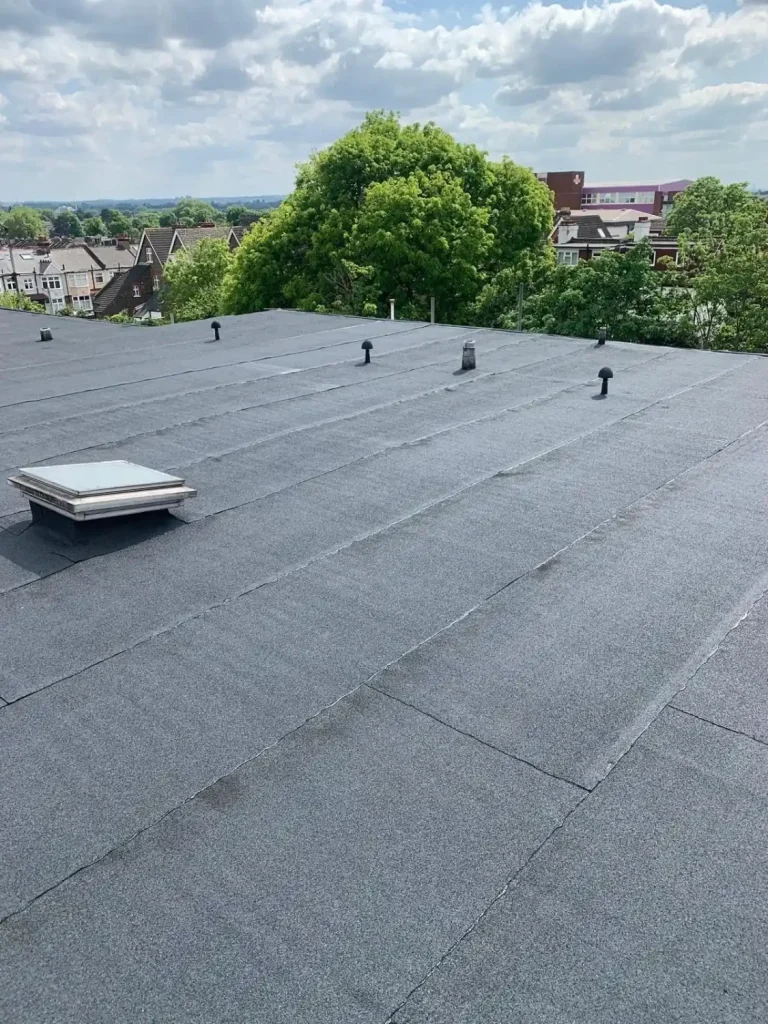
Why Choose a Flat Roof?
Flat roofs are not completely level. They are generally designed with a slight fall that allows rainwater to drain away rather than collect on the surface. UK Building Regulations guidance states that new roofs should provide adequate drainage, resist weather, support relevant loads and provide appropriate thermal insulation.
A well-designed flat roof can offer several advantages:
- Efficient use of available space
- A clean, contemporary appearance
- Suitable for extensions and smaller structures
- Straightforward access for maintenance
- Opportunities for rooflights or other features where appropriate
- Good thermal performance when correctly insulated
The key is making sure the roof is designed around the property rather than simply applying a covering over the existing structure.
Planning a Flat Roof Install in Barnes
Before installation begins, the existing structure should be assessed. A professional roofer can inspect the roof deck, joists, drainage arrangements, existing waterproofing and insulation requirements.
The roof’s intended use is also important. A roof over a home extension may have different requirements from a garage, balcony or commercial building. Factors such as roof size, surrounding buildings, drainage points, access and exposure to weather can influence the recommended specification.
Planning rules can also vary depending on the type of property and proposed work. Roof work that does not materially alter a house’s external appearance will often not require planning permission, but different rules can apply to flats, listed buildings and properties in designated areas.
Choosing the Right Flat Roofing Material
One of the most important decisions is selecting the waterproofing system. Common options include:
EPDM Rubber Roofing
EPDM is a synthetic rubber membrane known for flexibility and resistance to weather exposure. It can provide a durable waterproof layer when correctly specified and installed.
GRP Fibreglass Roofing
GRP, or glass-reinforced plastic, creates a strong, seamless surface. It can be particularly useful where a clean finish and robust waterproofing are priorities.
Single-Ply Membranes
Single-ply systems use flexible membranes designed to protect the roof from moisture and weather. Different products have different installation methods and performance characteristics, so professional specification is important.
Traditional Felt Systems
Modern reinforced felt systems remain an option for certain flat roofing projects. Their suitability depends on the building, roof design and expected performance.
The best material is not necessarily the most expensive one. A professional assessment should consider the roof structure, budget, expected lifespan, maintenance requirements and the property’s specific conditions.
Insulation and Energy Efficiency
Insulation is an important part of a modern flat roof. Poor insulation can contribute to heat loss and condensation problems, while a properly designed system can improve the building’s thermal performance.
Warm roof construction is commonly used for flat roofs, with insulation positioned above the roof deck and below the waterproof covering. Planning Portal guidance explains that warm deck systems generally do not require the same ventilation arrangement as cold deck construction.
When replacing or substantially re-covering a roof, thermal performance may also need to be considered under Building Regulations.
Drainage Is Essential
Water drainage is one of the most important aspects of flat roof design. Although the roof appears level, it should have an appropriate fall towards outlets, gutters or other drainage systems.
Poor drainage can allow standing water to remain on the membrane, increasing the risk of deterioration and leaks over time. During a Flat Roof Install in Barnes, roofers should therefore consider the position and capacity of outlets as well as the roof’s overall fall.
Gutters and outlets should also be kept clear after installation. Regular maintenance can help identify blockages, damaged flashing or other minor problems before they become expensive repairs.
What Does a Professional Installation Involve?
A typical installation may involve several stages:
- Roof inspection – The existing structure is assessed for damage, movement and moisture.
- Preparation – Damaged materials are removed and the roof deck is prepared.
- Structural checks – Joists, decking and supporting elements are checked where necessary.
- Insulation installation – Suitable insulation is incorporated according to the roof design.
- Waterproofing – The selected membrane or covering is professionally installed.
- Edge and flashing details – Junctions, parapets and roof edges are properly sealed.
- Drainage installation – Falls, outlets and gutters are checked.
- Final inspection – The completed roof is inspected for defects and finishing issues.
Attention to details around edges, penetrations and junctions is particularly important because these areas can become vulnerable to water ingress if poorly installed.
Building Regulations and Compliance
Depending on the scope of the work, Building Regulations may apply. For example, structural alterations or significant changes to the roof covering can trigger approval requirements. Planning Portal guidance states that certain existing-roof projects may require approval where specified thresholds are exceeded or where structural changes are involved.
For a new roof, requirements include weather resistance, structural loading, insulation, fire considerations and adequate drainage.
A professional roofing contractor can help identify whether additional approvals or technical considerations may apply before work starts.
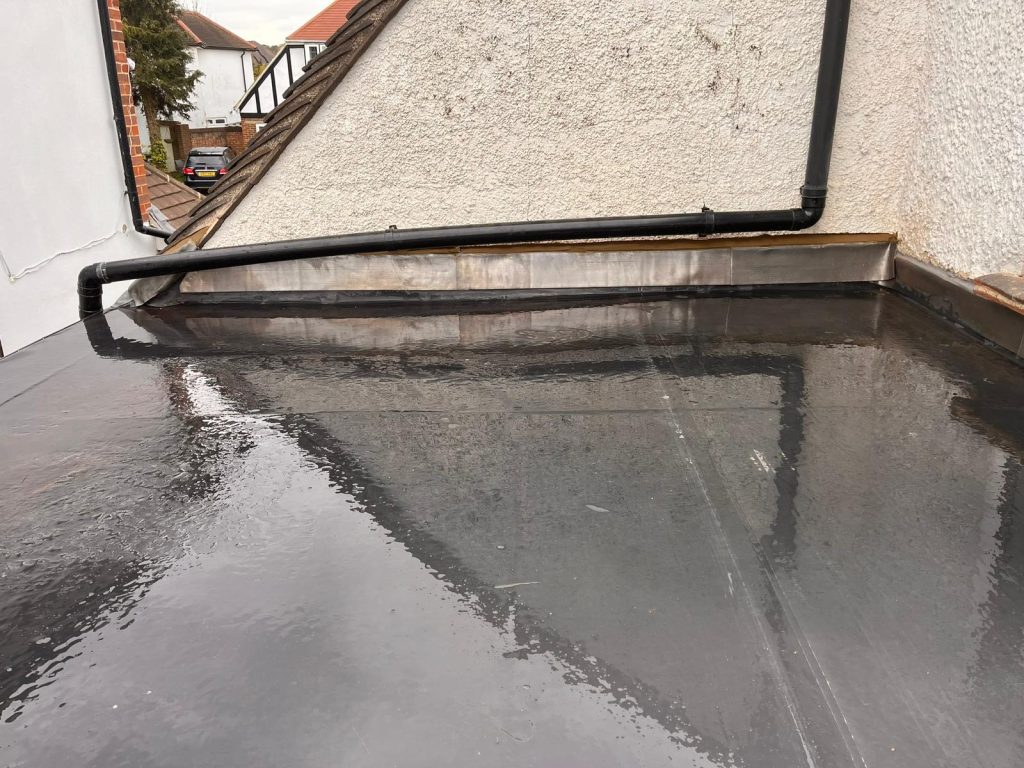
Why Professional Roof Installation Matters
Flat roofing can look relatively simple, but small installation errors can lead to significant problems. Incorrect falls, inadequate waterproofing, poor flashing or insufficient attention to drainage may eventually result in leaks and structural damage.
Choosing an experienced roofing company gives property owners access to professional assessment, appropriate materials and installation techniques suited to the building. It can also make it easier to identify potential problems before they become costly.
For homeowners considering a Flat Roof Install in Barnes by South West London Roofers, professional installation is therefore an investment in the long-term performance and protection of the property.
FAQs
How long does a flat roof installation take?
The timeframe depends on the roof’s size, structure, accessibility, chosen material and whether the existing roof needs removing or repairing.
Does a flat roof need a slope?
Yes. Flat roofs are normally constructed with a slight fall to help rainwater drain away effectively.
How long can a flat roof last?
The lifespan depends on the roofing system, installation quality, exposure, maintenance and materials used. Regular inspections can help extend its useful life.
Do I need planning permission for a flat roof?
Not always. Some roof work may fall under permitted development, but requirements vary according to the property and proposed alterations. Listed buildings, flats and designated areas may have additional considerations.
How can I maintain my new flat roof?
Keep drainage outlets and gutters clear, arrange periodic inspections and address signs of damage or water ingress promptly.
Conclusion
A properly designed flat roof can provide dependable protection, efficient use of space and a modern finish for properties in Barnes. From selecting the right waterproofing system to ensuring adequate insulation and drainage, every stage of installation contributes to long-term performance.
If you are planning a Flat Roof Install in Barnes, South West London Roofers can provide professional assistance with your roofing requirements.
South West London Roofers
Phone: 0203 633 8011
Email: info@swlondonroofers.co.uk
Address: Office 119, Spaces, 2 Smith Square, 77 Hammersmith, The Foundry, London, W6 8AF