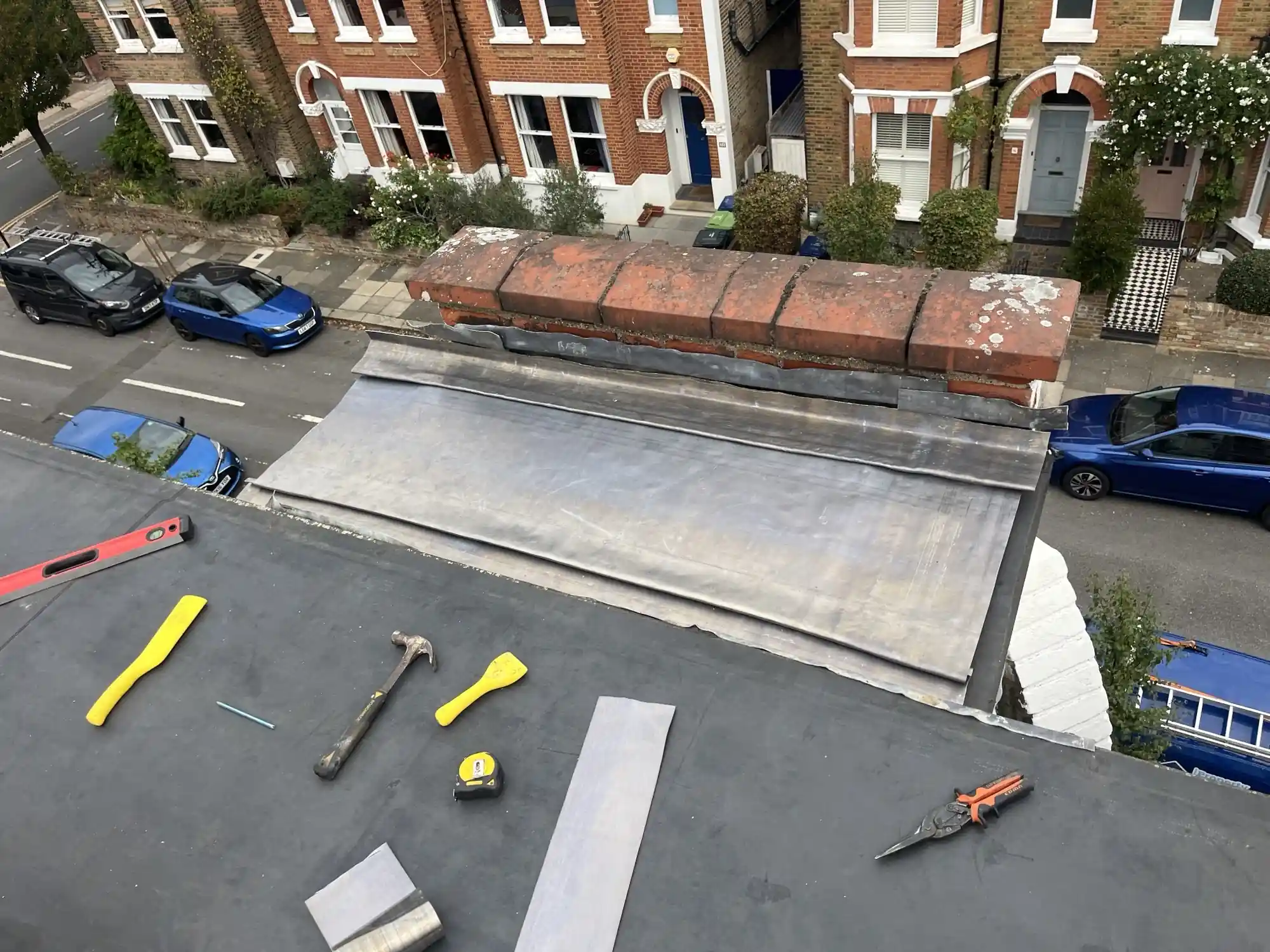
Gutters serve a vital purpose for your home. They collect rainwater from your roof and direct it safely away from the building. Without a working drainage system, rain simply pours down the sides of your property. This exposes your roofline, walls, and foundations to massive amounts of moisture.
Many homeowners overlook their gutters until a serious issue arises. Blocked gutters remain a common but highly underestimated problem in UK homes. When leaves, moss, and dirt build up, water cannot flow properly. This forces water to find another escape route, which often leads straight into your roof structure.
South West London experiences heavy rain, seasonal storms, and an abundance of falling leaves during autumn. These local weather patterns put extra strain on residential drainage systems. If you ignore gutter maintenance, you risk severe structural issues that cost thousands of pounds to fix.
At SW London Roofers, we specialise in protecting homes from weather damage. As trusted gutter and roofing specialists, we see the devastating effects of blocked gutters every day. We created this guide to help you understand the risks, spot the warning signs, and keep your property safe from costly water damage.

What Are Blocked Gutters?
Gutters become blocked when leaves, moss, debris, and dirt prevent proper water flow. This buildup creates a physical barrier inside the channel. When rain falls, the water cannot reach the downpipe. This causes water overflow and complete drainage failure, forcing moisture into places it should never go.
How Blocked Gutters Lead to Roof Damage
Understanding how blocked gutters roof damage happens can help you catch the problem early. The destruction does not happen overnight. It follows a specific, step-by-step process.
- Water overflow backs up onto roof edges: When the gutter channel fills with debris, rainwater pools inside it. Eventually, the water spills over the sides. While some water falls to the ground, much of it washes backward against the edge of your roof.
- Moisture seeps under tiles or roofing felt: Roofs rely on overlapping materials to shed water downward. They do not handle water pushing upward or pooling at the edges well. Overflowing water easily finds its way under your bottom row of tiles and soaks the protective roofing felt underneath.
- Fascia and soffits become saturated: The timber boards that support your gutters (fascias) and cover the underside of your roof overhang (soffits) take the brunt of the overflow. Constant exposure to sitting water leaves them completely soaked.
- Structural timber begins to rot: Damp timber eventually rots. Once the fascia and roof trusses soften and decay, they lose their strength. This puts your entire roof structure at risk.
- Roof leaks develop inside the property: Water always finds the path of least resistance. Once it breaches the outer defenses of your roofline, it travels down the timbers and into your loft space. From there, it drips onto your ceilings, creating visible damp patches and leaks inside your home.
Common Causes of Blocked Gutters
Several different factors contribute to clogged gutters problems. Identifying the root cause helps you prevent future blockages.
- Falling leaves in autumn: Trees shed their leaves heavily as winter approaches. If trees surround your home, leaves will inevitably blow onto your roof and wash down into the gutter channels. Once wet, leaves stick together and form a dense, heavy paste.
- Moss and roof debris: Many UK roofs develop moss over time. Birds, wind, and heavy rain dislodge chunks of moss, which slide down the roof tiles and into the gutters. Roof mortar and grit from asphalt shingles also accumulate over the years, creating a thick sludge.
- Bird nests and natural buildup: Birds often build nests in gutters or near downpipes because they offer shelter. Twigs, mud, and feathers quickly block the flow of water.
- Poor maintenance: Gutters require regular clearing. If you leave them untouched for years, minor debris turns into a solid blockage. Proper gutter maintenance London homes need involves consistent, scheduled cleaning.
- Misaligned or sagging gutters: Gutters must pitch slightly toward the downpipe so gravity can pull the water away. If brackets snap or the gutter sags, water pools in the low spots. Debris settles in these stagnant pools and creates a stubborn blockage.
- Blocked downpipes: Sometimes the gutter channel is clear, but the vertical downpipe is jammed. A single tennis ball, a large twig, or a buildup of leaves at the top swan neck of the pipe can halt all water flow.
Warning Signs of Blocked Gutters
You can spot the early signs of gutter failure before major damage occurs. Look out for these key indicators during and after a rainstorm:
- Water overflowing during rain: If you see water cascading like a waterfall over the edge of your gutters, you have a severe blockage.
- Damp patches on exterior walls: Overflowing water runs down your brickwork. Over time, this creates dark, persistent damp patches on the outside of your house.
- Sagging gutter sections: Wet debris weighs a lot. The excess weight pulls the gutters downward, bending the brackets and creating a visible sag.
- Plants growing in gutters: Seeds easily blow into gutters. When they land in a bed of wet dirt and decaying leaves, they sprout. If you see grass or weeds growing from your roofline, your gutters are completely choked.
- Water stains on ceilings: Yellow or brown rings on your ceiling often indicate water damage from gutters that has breached the roofline.
- Dripping water near fascia boards: If you hear or see water dripping behind the gutter channel, the overflow is actively soaking your timber fascias.
Roof Damage Caused by Blocked Gutters
When you ignore warning signs, gutter overflow leads to severe consequences. The resulting damage affects multiple areas of your property.
Fascia and Soffit Rot
Fascia boards hold your gutters in place. Soffit boards close the gap between the fascia and the house wall. Constant moisture damages roofline timber quickly. Even modern uPVC fascias suffer, as the timber sub-structure behind them can rot. Fascia and soffit damage gutters cause will eventually lead to the gutters pulling away from the house entirely.
Roof Edge Leaks
Roof edge damage UK homes experience frequently stems from poor drainage. Water pooling in blocked gutters wicks upward into the roof decking. It rots the ends of the wooden roof joists and destroys the sarking felt. This compromises the entire lower section of your roof, requiring extensive repairs.
Damp and Mould Inside Homes
Roof leaks caused by gutters rarely stay confined to the outside. Water ingress makes its way into your loft. It flattens and ruins your loft insulation, destroying its thermal efficiency. The trapped moisture creates the perfect environment for toxic black mould to spread across your ceilings and walls.
Foundation and Exterior Damage
Gutters protect your foundations just as much as your roof. When water overflows, it pools at the base of your property. This constant saturation compromises the soil around your footings. Over time, it can cause subsidence, brickwork spalling, and flooded basements.

Why Blocked Gutters Are Worse in South West London
South West London presents unique challenges for property maintenance. Several local factors make homes here particularly vulnerable to blocked gutters UK weather brings.
- Heavy rainfall patterns: The UK experiences unpredictable and heavy downpours. Sudden surges of water overwhelm partially blocked systems, forcing immediate overflow.
- Leaf-heavy residential areas: Boroughs like Richmond, Wimbledon, and Chiswick feature beautiful, mature trees. While visually stunning, these trees drop massive amounts of leaves, twigs, and seeds directly onto residential roofs.
- Older housing stock: Many properties in Fulham, Putney, and Clapham feature period architecture. Older homes often have cast iron gutters that rust and trap debris more easily than modern plastic systems.
- Flat and pitched roof mix: Many local extensions use flat roofing. When pitched roof gutters overflow onto a flat roof section below, the standing water quickly causes flat roof failure.
How to Prevent Blocked Gutters
Roof leak prevention starts with proactive gutter care. Taking action now saves you from massive repair bills later.
- Regular gutter cleaning: You should clean your gutters twice a year minimum. Schedule one cleaning in late autumn after the leaves fall, and another in spring to clear winter storm debris.
- Installing gutter guards: Gutter guards or hedgehogs fit inside the channel. They allow water to flow while keeping large leaves and moss out. They do not eliminate the need for cleaning, but they significantly reduce the frequency.
- Routine roof inspections: Have a professional check your roof annually. Removing moss from your tiles prevents it from washing down into your gutters in the first place.
- Clearing downpipes: Always flush downpipes with water to ensure they run clear. A wire trap at the top of the downpipe helps catch debris before it causes a deep blockage.
- Professional maintenance services: Hiring a local roofing company ensures the job gets done safely and thoroughly. Professionals can also spot early signs of damage that you might miss.
Professional Gutter Repairs vs DIY Cleaning
Many homeowners attempt to clean their own gutters to save money. However, this often leads to poor results and safety hazards. Here is a comparison of professional services versus doing it yourself.
| Feature | Professional Gutter Services | DIY Gutter Cleaning |
|---|---|---|
| Safety Risks | Fully trained, insured, and equipped with safety gear. | High risk of ladder falls and serious injury. |
| Effectiveness | Completely clears all channels and unblocks downpipes. | Often leaves stubborn debris behind. Hard to reach areas remain blocked. |
| Long-Term Results | Professionals fix sagging brackets and minor leaks during the visit. | Ignores underlying mechanical issues with the gutter system. |
| Cost Differences | Upfront cost, but prevents expensive structural roof damage later. | Cheap initially, but hidden roof damage can cost thousands to fix. |
Why Choose SW London Roofers?
When you need reliable property protection, you need experts who understand the local area. SW London Roofers provide comprehensive solutions for all your roofing and drainage needs.
- Local South West London specialists: We understand the specific architecture and weather challenges in Chiswick, Richmond, Putney, Wimbledon, Clapham, and Fulham.
- Fast gutter repair services: If you have an overflowing gutter causing active damage, our team responds swiftly to resolve the issue.
- Roofline and drainage expertise: We do not just clear the blockage. We inspect your fascias, soffits, and roof edges to ensure your property remains watertight.
- High-quality workmanship: We use durable materials and proven techniques for all repairs and replacements.
- Emergency repair availability: Storm damage requires immediate attention. We offer fast interventions to stop leaks in their tracks.
We offer much more than simple cleaning. As blocked gutter specialists and roof drainage experts, SW London Roofers provides complete property care. Our core services include:
- Gutter repairs
- Roof repairs
- New roofs
- Flat roofing
- Pitched roofing
If you need gutter repair South West London, our experienced team is ready to help.
FAQs
How do blocked gutters damage a roof?
Blocked gutters cause water to overflow and wash backward against the roof edge. This water seeps under the roofing felt and tiles, rotting the wooden roof battens, joists, and fascia boards.
How often should gutters be cleaned in the UK?
You should clean your gutters at least twice a year. Late autumn is critical for removing fallen leaves, while a spring clean clears out debris deposited by harsh winter storms.
Can blocked gutters cause roof leaks?
Yes. When gutters overflow, water penetrates the roofline and travels down the internal timbers. This moisture eventually drips through your loft space and creates visible leaks on your interior ceilings.
What are signs of blocked gutters?
Common signs include water cascading over the gutter edges during rain, dark damp patches on exterior brickwork, sagging gutter brackets, and visible weeds or grass growing from the roofline.
Are blocked gutters an emergency?
They become an emergency if water is actively entering your home, flooding your foundations, or causing sudden ceiling leaks. Immediate action prevents severe structural damage and mould growth.
Can gutters damage fascia boards?
Absolutely. Overflowing gutters constantly soak the wooden fascia boards they are attached to. This prolonged exposure to moisture causes the timber to rot, weaken, and eventually fail.
Conclusion
Blocked gutters roof damage poses a serious threat to the safety and value of your home. What starts as a simple buildup of autumn leaves quickly escalates into rotted fascias, ruined loft insulation, and severe internal leaks.
Regular maintenance provides the best defense against these costly problems. By keeping your drainage system clear, you ensure rainwater flows safely away from your property. Do not wait for a heavy storm to reveal the weaknesses in your roofline. Take proactive steps today to protect your foundations, exterior walls, and roof structure.
If you suspect your gutters are blocked, sagging, or leaking, get professional help immediately. Contact SW London Roofers today for expert gutter repairs in South West London. Prevent costly roof damage with professional gutter maintenance, and speak to our local roofing specialists for fast gutter inspections and repairs.