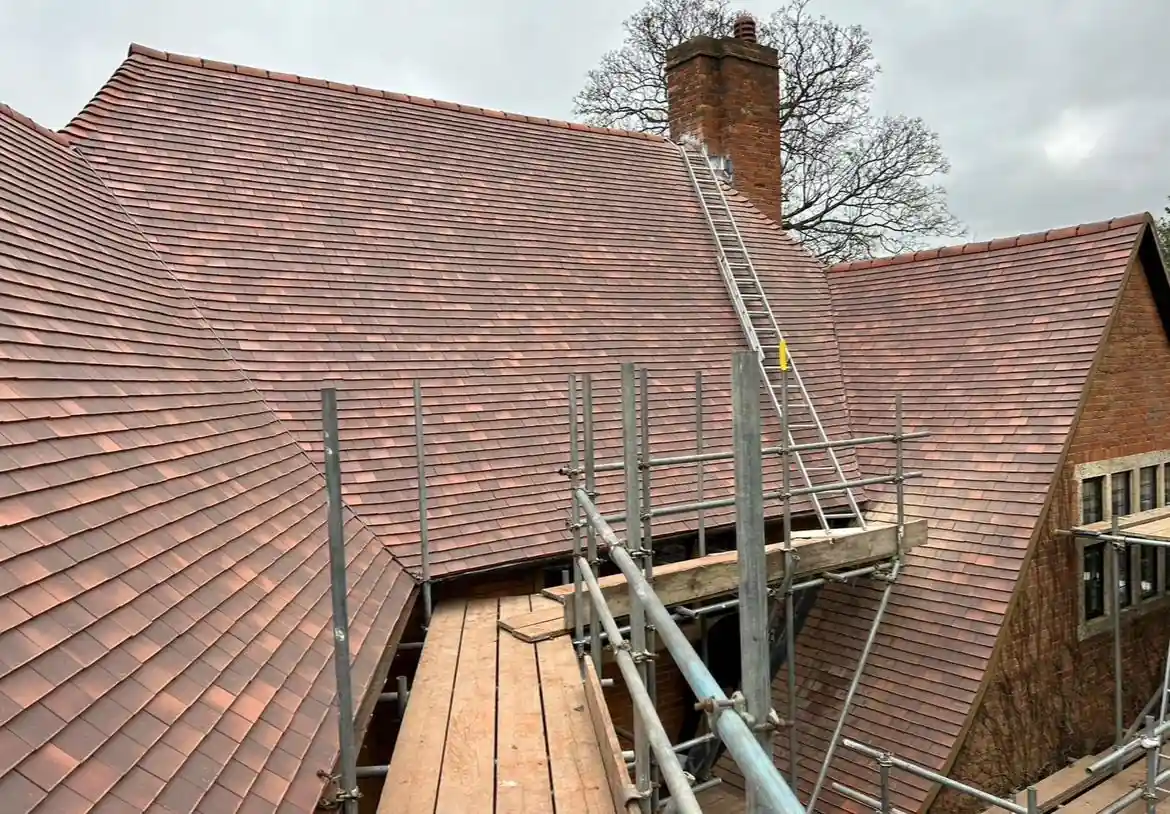
If you look at the skyline of almost any British town or city, you will see a sea of sloped roofs. Pitched roofs are a staple of British architecture, valued for their traditional aesthetic and their excellent ability to channel away the relentless British rain. However, despite their durability, these structures are exposed to the elements 365 days a year. Over time, high winds, heavy rain, and freezing temperatures can lead to a variety of pitched roof problems UK homeowners need to be aware of.
When your roof is compromised, your entire home is at risk of dampness, structural damage, and costly repairs. Understanding what can go wrong and catching the warning signs early is the key to maintaining a safe and dry property.
At SW London Roofers, we are trusted local roofing company experts serving the South West London area. We have seen every type of pitched roof issue imaginable, from minor leaks to severe storm damage. In this comprehensive guide, we will walk you through the most common problems with pitched roofs, how to spot them, and how the professionals fix them.
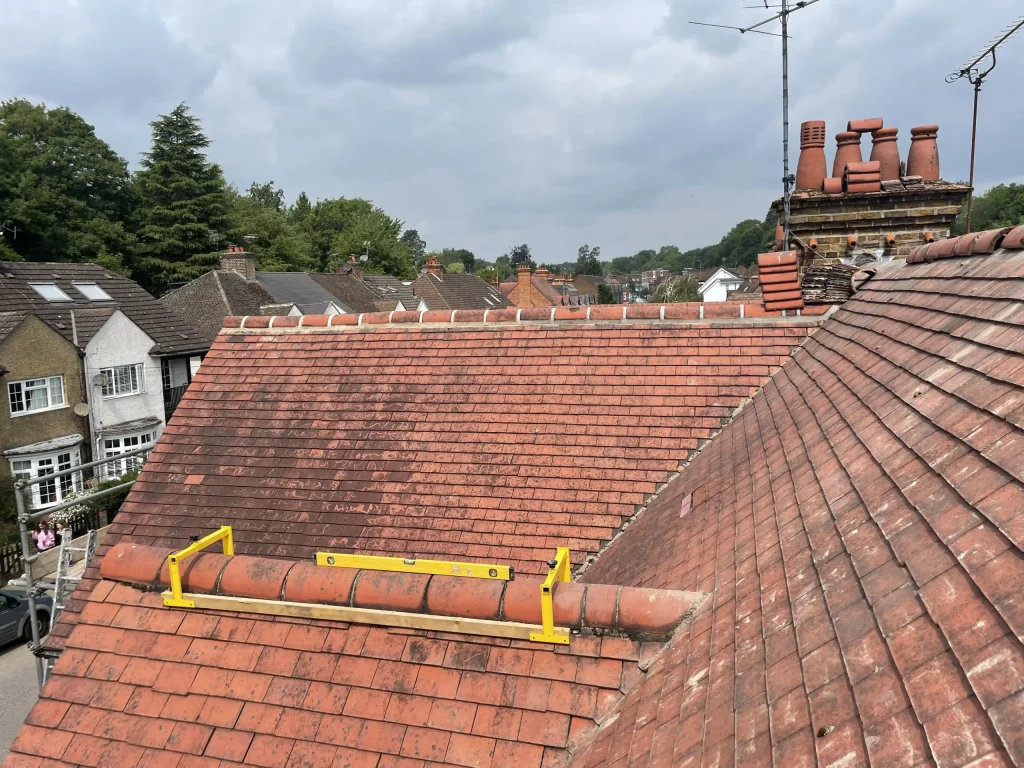
What Are the Most Common Problems with Pitched Roofs?
What are the most common pitched roof problems?
The most common problems affecting pitched roofs in the UK include:
- Slipped or broken roof tiles: Often caused by high winds or decaying fixings.
- Damaged flashing: Deterioration around chimneys and roof joints leading to leaks.
- Blocked or leaking roof valleys: Accumulation of debris causing water to pool and seep.
- Ridge tile deterioration: Crumbling mortar leaving the apex of the roof exposed.
- Moss and algae buildup: Trapping moisture and causing frost damage.
- Poor gutter drainage: Forcing rainwater back up under the roofline.
Let’s explore each of these issues in more detail.
Slipped or Broken Roof Tiles
One of the most frequent issues homeowners face is slipped roof tiles. Whether your roof is covered in slate, clay, or concrete tiles, high winds and severe storms can easily dislodge them. Furthermore, as roofs age, the nails or wooden battens holding the tiles in place can rot or rust away, causing the tiles to slide out of position.
Even a single missing or broken tile can leave the underlying waterproof membrane exposed to UV rays and rain, quickly resulting in a leaking pitched roof.
- Signs to look for: Tiles lying in your garden, visible gaps in your roofline, or unexpected daylight shining into your loft.
- Repair solutions: A professional roofer will conduct broken roof tiles repair by sourcing matching materials, safely removing surrounding tiles, replacing the broken unit, and ensuring it is securely fastened or re-bedded.
Roof Flashing Problems
Roof flashing is the thin material—usually lead, aluminium, or galvanised steel installed around the joints of your roof to direct water away from critical areas. You will typically find flashing around chimneys, skylights, vents, and where the roof meets a wall.
Over time, lead flashing can suffer from thermal movement, expanding and contracting until it cracks. Mortar used to step flashing into brickwork can also crumble. Roof flashing issues are one of the leading causes of hidden roof leaks.
- Signs to look for: Damp patches on chimney breasts inside the home, visible rust, or loose metal sheets on the roof.
- Repair solutions: Defective flashing must be removed and replaced. Professional roofers will cut new leadwork, dress it into the contours of the roof, and repoint the brickwork to ensure a watertight seal.
Roof Valley Leaks
A roof valley is the V-shaped channel where two sloping roof pitches meet. Because valleys are designed to funnel large volumes of rainwater down into the gutters, they are highly susceptible to wear and tear.
Roof valley problems UK homeowners experience often stem from blockages. Leaves, twigs, and moss gather in the valley, creating dams. When it rains, the water cannot flow freely and instead backs up beneath the roof tiles.
- Signs to look for: Water dripping from the ceilings of rooms directly beneath the roof joints, or visible debris piling up in the roof creases.
- Repair solutions: Minor issues can be fixed by clearing the debris and resealing the valley. Severe damage requires stripping the surrounding tiles and installing a brand-new valley liner (typically made from lead or durable GRP fibreglass).
Ridge Tile Damage
Ridge tiles sit at the very highest point of your pitched roof, binding the two sides together. Traditionally, these tiles are secured using a sand and cement mortar bed. Over the years, exposure to freezing weather and driving rain causes this mortar to crack and crumble away.
When mortar fails, you are left with roof ridge tile damage. Loose ridge tiles are highly vulnerable to being blown off during storms, posing a serious safety hazard to anyone below and creating a massive entry point for rain.
- Signs to look for: Chunks of mortar sitting in your gutters or on your patio, or ridge tiles that look misaligned from ground level.
- Repair solutions: Roofers will either re-bed the tiles using fresh, flexible mortar or upgrade the roof to a dry-ridge system, which uses mechanical fixings for superior weather resistance.
Blocked Gutters and Drainage Issues
While gutters are not technically part of the pitched roof structure, they play a critical role in its performance. When gutters become clogged with leaves, moss, and dirt, rainwater has nowhere to go.
During heavy downpours, water can overflow the gutters and back up under the eaves, damaging the timber fascia boards and soffits. This can quickly lead to rot and dampness penetrating your roof space.
- Signs to look for: Water cascading over the sides of your gutters during rain, sagging gutter pipes, or damp forming on the exterior walls just below the roofline.
- Repair solutions: Routine clearing is essential. If water has caused rot, the affected timber fascias and the rotting roofing felt at the eaves will need to be replaced.
Moss, Algae, and Debris Build-Up
Moss may give a cottage a charming, rustic appearance, but it is a silent destroyer of pitched roofs. Moss acts like a sponge, absorbing and holding onto moisture.
During UK winters, this trapped moisture freezes and expands. This freeze-thaw cycle can crack roof tiles and degrade mortar. Furthermore, as moss clumps become heavy, they can displace tiles and roll into gutters, causing blockages.
- Signs to look for: Thick, green, carpet-like growth on the roof, particularly on shaded or north-facing pitches.
- Repair solutions: Professional roof scraping and the application of biocide treatments. Never use a high-pressure power washer on a pitched roof, as it can blast the protective coating off the tiles and force water into the loft.
Poor Installation or Ageing Roofs
Sometimes, continuous pitched roof problems are the result of poor initial workmanship. Incorrectly laid membranes, inadequate ventilation, and poorly measured batten spacing can cause a roof to fail long before its time.
Alternatively, the roof may simply be reaching the end of its natural lifespan. Traditional clay tiles can last a century, but the fixings, felt, and timber underneath often degrade much sooner. Regular roof inspection services are essential to catch age-related deterioration before the roof collapses.
Signs You Have a Pitched Roof Problem
Catching roof problems early can save you thousands of pounds in extensive structural repairs. Use this simple homeowner checklist to spot the warning signs:
- Damp patches on ceilings: Unexplained brown water stains on your upstairs ceilings or walls.
- Missing or cracked tiles: Gaps in your roofline visible from the street.
- Water dripping inside the home: Active leaks during heavy rainstorms.
- Sagging roof sections: A dip or curve in the roofline, indicating structural timber failure or excessive weight.
- Mould or musty smells in the loft: Condensation and poor ventilation causing dampness in your attic space.
- Higher heating bills: Damp insulation loses its thermal efficiency, making your home harder to keep warm.
If you notice any of these signs, it is time to call in the professionals for a thorough inspection and fast roof leak repair London.
How Professionals Fix Pitched Roof Problems
Attempting a DIY roof repair is highly dangerous and can often make the problem worse. Professional roofers have the training, scaffolding, and premium materials to fix pitched roofs safely.
Here is a quick comparison table showing how experts tackle common repairs:
| Roof Problem | Professional Repair Method | Estimated Timeframe |
|---|---|---|
| Slipped/Broken Tiles | Source matching tiles, remove surrounding units safely, install and secure the new tile. | 2–4 hours |
| Failing Ridge Tiles | Remove old ridge tiles, chip away dead mortar, re-bed with fresh mortar or install a modern dry-ridge system. | 1–2 days |
| Damaged Flashing | Remove failing lead/mortar, dress new lead flashing into the brickwork, repoint to seal. | Half a day |
| Leaking Roof Valley | Strip tiles back from the valley, remove old cracked liner, install new GRP or lead valley, replace tiles. | 1–2 days |
| Moss Build-Up | Manual scrape of all tiles using specialised trowels, followed by a fungicidal soft-wash treatment. | 1 day |
Need urgent assistance? Contact us for emergency roof repairs today.
Can Pitched Roof Problems Be Prevented?
While you cannot control the weather, proactive pitched roof maintenance can significantly extend the life of your roof and prevent unexpected leaks. Follow these preventative steps:
- Book Annual Roof Inspections: Have a professional roofer assess your roof once a year, ideally in autumn before the harsh winter weather arrives.
- Clear Gutters Twice a Year: Keep your drainage systems flowing freely by removing leaves and debris in late autumn and spring.
- Address Missing Tiles Immediately: Do not wait for a leak to occur. Book an early tile replacement the moment you spot a gap.
- Manage Moss Growth: Have professionals gently remove heavy moss before it causes freeze-thaw damage.
- Check Your Attic: Occasionally pop your head into your loft during daylight. If you can see daylight coming through the roof, or if the timbers feel damp, you need repairs.
Why Choose SW London Roofers?
When it comes to protecting your property, you need a roofing contractor you can trust. As the leading roof repair specialists London has to offer, SW London Roofers provides exceptional service to residential and commercial clients across Chiswick, Richmond, Putney, Wimbledon, Clapham, and Fulham.
Here is why homeowners choose us:
- Local South West London Experts: We know the local architecture and weather patterns, ensuring our repairs are built to last.
- Fast Response: Whether you need routine maintenance or emergency repairs after a storm, we arrive promptly.
- High-Quality Workmanship: We use only the finest roofing materials, ensuring our repairs withstand the test of time.
- Comprehensive Service: From minor repairs to full replacements, we handle it all.
Our core services include:
- Pitched roofing South West London
- New roof installations
- Flat roofing
- Gutter repairs
- Emergency roofing services
Do not let a minor roof issue turn into a major structural disaster. Trust the experts at SW London Roofers to keep your home safe, dry, and secure.
FAQs
What are the most common pitched roof problems?
The most frequent issues include slipped or broken tiles, damaged lead flashing around chimneys, deteriorating mortar on ridge tiles, blocked roof valleys, and poor gutter drainage leading to water ingress.
How long should a pitched roof last?
A well-maintained pitched roof can last anywhere from 50 to 100 years depending on the materials used. Slate and clay tiles generally outlast the underlay felt and timber battens beneath them.
Can a missing tile cause a roof leak?
Yes. A missing tile exposes the roofing felt and timber battens directly to rain and UV rays. Over time, the felt will degrade, allowing water to penetrate your loft and ceilings.
How do you fix a leaking pitched roof?
Fixing a leak requires identifying the source (which is often higher up the roof than the visible damp patch), removing the affected tiles, repairing or replacing the damaged waterproof membrane, and securely reinstalling the tiles.
Are pitched roofs better than flat roofs?
Pitched roofs generally have a longer lifespan, require less maintenance, and offer much better water drainage compared to flat roofs. They also provide the bonus of loft storage space.
How often should a pitched roof be inspected?
You should have your roof inspected by a professional at least once a year, and ideally after any major storm or high wind event, to catch slipped tiles or flashing damage early.
Conclusion
Your roof is your home’s primary defence against the harsh UK climate. Understanding the most common pitched roof problems UK homeowners face such as broken tiles, failing flashing, and blocked valleys empowers you to take action before minor issues become expensive disasters.
Regular maintenance and timely repairs are the most cost-effective ways to protect your property. The moment you spot a damp patch, a slipped tile, or crumbling mortar, it is vital to act quickly.
If you are concerned about the condition of your roof, do not leave it to chance. Contact SW London Roofers today to schedule professional roof inspection services and ensure your roof remains watertight for years to come!